After 12 years of reading supplement labels and translating clinical trial data for Your Health Magazine readers, I’ve learned one truth: the supplement industry is rife with "wellness" claims that hold about as much weight as a wet paper bag. When I hear brands say a supplement "supports brain wellness," I immediately ask for the clinical data. When it comes to the "menopause brain fog" that so many of you write to me about, the chatter around Acetyl-L-carnitine (ALCAR) has reached a fever pitch. But is it worth your hard-earned money, or is it just another trendy bottle gathering dust in your pantry?
Before we dive in, if you want to keep up with these deep dives, make sure to follow our Facebook page at YourHealthDMV, or click here to share this article with a friend who is currently in the thick of the "change."
The Menopause Brain: Why the Fog is Real
We need to stop calling it "brain fog" as if it’s some cute, whimsical side effect. It’s not. It is a biological event. In the perimenopausal and menopausal transition, the decline of estrogen isn't just about hot flashes; it’s about a massive reduction in neuroprotection. Estrogen yourhealthmagazine.net is essentially the caretaker of your neurons. When those levels drop, the brain’s metabolic landscape shifts, often leading to deficits in energy production and neurotransmitter signaling.
This is further complicated by the HPA axis (Hypothalamic-Pituitary-Adrenal axis). Think of your HPA axis as your body’s command center for stress. In menopause, this system becomes hypersensitive. When your hormones are fluctuating wildly, your cortisol—the primary stress hormone—often spikes. High, chronic cortisol acts like a wrecking ball to your executive function, exacerbating the brain fog and leading to the sleep disruptions that keep you awake at 3:00 AM, only to wake up even foggier the next day.
Enter Acetyl-L-Carnitine: Not Your Average Amino Acid
You’ve likely seen L-carnitine in gym bags, but Acetyl-L-carnitine is different. The "Acetyl" group attached to the molecule allows it to cross the blood-brain barrier far more effectively than standard L-carnitine. This is crucial. We are looking for acetyl-L-carnitine neurons support—essentially helping the brain shuttle fatty acids into the mitochondria so they can be burned for fuel.
When we talk about mitochondrial function in the brain, we are talking about the battery life of your cognitive performance. As estrogen declines, mitochondrial efficiency can drop. ALCAR acts as a metabolic donor, potentially helping to restore that spark. Furthermore, ALCAR is a donor of acetyl groups, which are necessary for the synthesis of acetylcholine—a critical neurotransmitter involved in memory, attention, and focus. If your brain is low on acetylcholine, your ability to "stay on task" tanks.
The Former Buyer’s Checklist: What to Look For
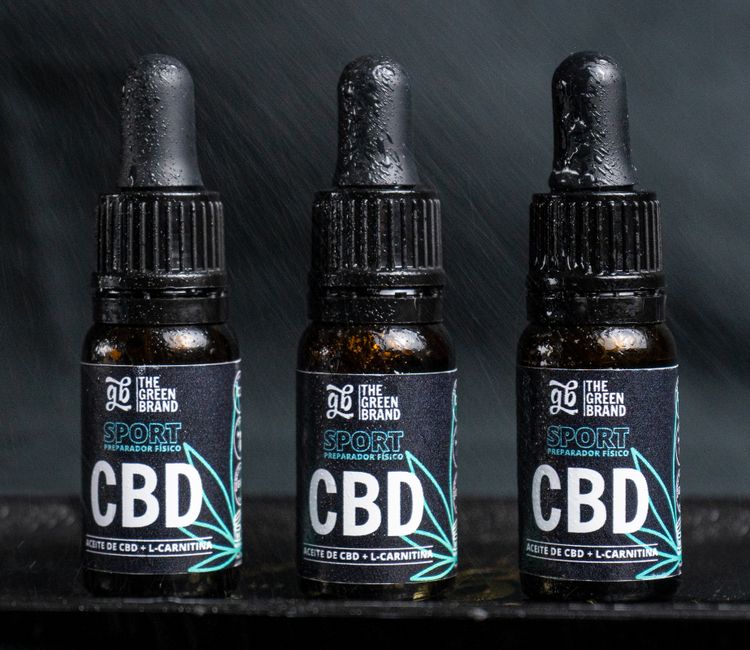
As someone who spent over a decade auditing ingredient lists, I have zero patience for "proprietary blends." If a company hides their doses behind a "Focus Matrix" or "Cognitive Blend," put it back on the shelf. You deserve to know exactly how much you are ingesting. Quality matters, and so does form. If you are shopping around, here is a quick guide on what I look for versus what I avoid.
Does It Help Dopamine and Serotonin?
While ALCAR is famous for its impact on acetylcholine, its role in mood regulation is often overlooked. We know that menopause affects dopamine (the "motivation" neurotransmitter) and serotonin (the "calm" neurotransmitter). While ALCAR isn't a direct serotonin precursor like 5-HTP, its ability to support metabolic health in the brain can help buffer the impact of the HPA axis on your mood.
Brands like Smartfuel (smartfuel.com) often focus on specific, bioavailable forms that avoid the unnecessary fillers found in cheaper, mass-market products. When you are struggling with low dopamine, the last thing you want is a supplement filled with artificial dyes or fillers that add to your body’s toxic burden.

Some users look to Motivation Encapsulated for their routine, which is fine, but always double-check the label. If the label doesn't explicitly state the dose of ALCAR, the "neuroprotection" they promise is likely just marketing fluff. Do not pay for "wellness" vibes—pay for clinically relevant doses.
Practical Application: Is It Worth Trying?
If you are struggling with executive function, memory retrieval, or that specific "tired but wired" sensation brought on by HPA axis dysregulation, ALCAR is worth a 30-day trial. However, don't expect it to fix your life if your foundation is shaky.
Start Low: Begin with 500mg once a day to ensure it doesn't cause digestive upset. Monitor for Stimulation: Because it supports mitochondrial efficiency, some women find ALCAR stimulating. If it keeps you awake, move your dose to the morning. Combine with Lifestyle: It will not override a diet of processed sugar and zero sleep. It supports the biology; it doesn't replace the need for rest. Standardization: Look for brands that provide a Certificate of Analysis (COA). If they can't show you the data on their purity, they shouldn't be in your medicine cabinet.The HRT elephant in the room
I get asked constantly about Hormone Replacement Therapy (HRT) and supplements. Let me be crystal clear: Scare tactics about HRT are not evidence-based medicine. While supplements like ALCAR can be a fantastic support tool for neurotransmitter health and mitochondrial efficiency, they are not a replacement for hormones if your doctor has determined you are a candidate for HRT.
I hate it when "health influencers" try to use supplements to frighten women away from medically indicated hormone therapy. Use ALCAR to manage the specific symptoms of brain fog, but don't let it become a substitute for a real, science-based conversation with a qualified endocrinologist or gynecologist about your long-term health.
Final Thoughts
Brain energy is the currency of your quality of life. As we navigate the metabolic shifts of menopause, targeting the mitochondria and acetylcholine levels is a logical, science-backed approach. Acetyl-L-carnitine is a legitimate tool, not a "wellness" fad, provided you buy it from a reputable manufacturer that isn't afraid to list their doses.
Keep your standards high, ignore the vague marketing claims, and always read the label. If you have questions about specific brands or want to see more breakdowns of supplement ingredient lists, join our community on the YourHealthDMV Facebook page. And please, use the email share link to send this to someone who needs to stop wasting money on ineffective supplements.
Disclaimer: I am a health writer and former industry buyer, not your doctor. Always consult with your primary care provider before introducing new supplements to your routine, especially if you are on medications for blood pressure or thyroid conditions.