Subscription services have exploded in popularity, from streaming platforms to wellness boxes—and yes, meal plan subscriptions have joined the club. But before you sign up for that tasty weekly delivery or customised menu plan, there's a question everyone should ask: Is this recurring wellness spending truly worth it? Or could it just become another unnoticed charge on your bank statements? This deep dive will help you spot silent renewals, do some quick break-even math, and make better choices—whether about meal plans or managing your healthcare budget.
Silent Renewals: The Hidden Cost Trap
Let’s address the elephant in the room: silent renewals. These are automatic subscription renewals you might not even remember signing up for, quietly debited from your bank account every month or quarter. Meal plan subscriptions are notorious for this because they usually offer a free trial or low-cost introductory offer, then swiftly roll into full-price monthly payments.
Keeping track https://highstylife.com/does-medical-cannabis-have-thc-and-what-does-that-mean/ of these requires a simple habit:
- Review your statements monthly to spot unfamiliar meal plan subscription costs. Use a 3-month audit approach—checking back to when charges started to confirm exact cost timelines. Cancel unused or rarely used plans promptly to avoid sinking money into services you no longer benefit from.
This mirrors a useful get more info approach to NHS prescription prepayment certificates (or PPCs), where understanding payment options and keeping an eye on costs saves you from overpaying.
Why NHS Prescription Costs and Meal Plans Should Both Get Your Attention
Still wondering why we are talking about NHS prescriptions alongside meal subscriptions? Here’s why the comparison makes sense:
- Both involve recurring costs: Your medication costs can accumulate quickly if paying per item, just like a weekly meal plan subscription charges add up month after month. Both benefit from upfront commitment discounts: Prepayment certificates for NHS prescriptions offer cost-saving bundles for paying upfront—similar to how some meal plan providers offer discounted yearly rates. Both need regular review: Just as you should audit your meal plan spending, reviewing your eligibility and prescriptions minimizes unnecessary NHS charges.
Understanding NHS Prescription Charges
In England, paying for NHS prescriptions isn’t flat fee by default—it’s per item.
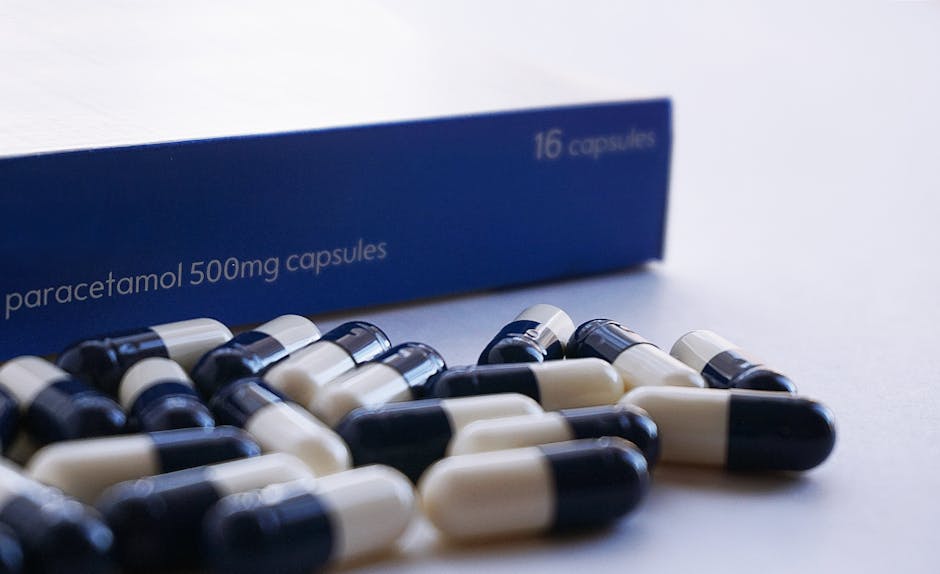
Each prescribed medication usually costs £9.35 (2024 rate). If you have multiple prescription items, these costs add up fast. But if you use many items regularly, you can buy a PPC that covers all prescriptions for a fixed fee over a set time:
PPC Type Cost Coverage Length 3-month PPC £31.25 3 months 12-month PPC (annual) £111.60 12 monthsBreaking Down PPC Break-Even Math
How do you know if a PPC is worthwhile? Quick break-even math:

For example, if you fill:
- 4 items per month: 4 × £9.35 = £37.40 Over 12 months: 37.40 × 12 = £448.80
In this case, a 12-month PPC for £111.60 is a big saving.
If you have fewer prescriptions:
- 1 item monthly: £9.35 × 12 = £112.20, just over the 12-month PPC cost. You might prefer paying per item or the 3-month PPC (at £31.25), renewing quarterly if usage fluctuates.
Monthly Direct Debit for 12-Month PPC: Smoothing the Cost
The NHS Business Services Authority (NHSBSA) now offers a monthly direct debit payment option for the 12-month PPC. This spreads the cost (£111.60) over 12 months (~£9.30/month), avoiding the big upfront spend.
This option is handy for household budgeting, making the cost almost equivalent to paying per item for one prescription per month but securing savings if you get more than one item.
Using Bank Statements to Audit Your PPC Payments and Prescription Spending
Whether you manually pay or have a direct debit, confirm via a 3-month bank statement audit that:
- PPC direct debits are coming out as scheduled. You are actually filling enough prescriptions to justify the PPC cost. No duplicate or leftover payments are being accidentally deducted.
This level of scrutiny is exactly what you should apply to your meal plan bank charges—no repeats or forgotten plans. Set calendar reminders to review every quarter.
Eligibility for Free NHS Prescriptions: Avoiding Overpayment Penalties
Many people accidentally pay prescription charges when they qualify for free NHS prescriptions.
- If you’re under 16 (or under 19 and in full-time education), prescriptions are free. If you’re 60 or older, prescriptions are free in England. If you hold certain medical exemption certificates (including low income or specific conditions), you can get free prescriptions.
Claiming these correctly means avoiding overpayment—something meal plans can’t help with but remind us that knowledge is money.
Pharmacy First and Pharmacist-Led Care: A Health Budgeting Alternative
Instead of immediately buying prescription medicines or jumping on a meal plan subscription, NHS’s Pharmacy First service encourages consulting your pharmacist for minor ailments and advice free of charge. Pharmacists can sometimes dispense medicines without a prescription or guide you to the best-cost options.
This not only saves you money on prescriptions but may reduce your reliance on expensive meal plans that promise health outcomes without personalised care.
Meal Plan Subscription Cost: What Are You Really Paying For?
When you tally up meal plan costs, watch out for:
- Monthly recurring charges adding up to hundreds or thousands annually. Hidden cancellation limits or fees leading to ongoing payments. Promotions that tempt with low initial cost but renew silently at full price.
Do the same break-even math:
Meal Plan Monthly Cost Annual Cost (est.) Frequency of Use Required to Justify Cost Example Plan A £30 £360 Use all meals regularly Example Plan B £45 £540 Significant weekly useCompare this to what you spend eating out or buying groceries with special diets. If you struggle to use the plan fully, you’re overpaying, just like paying for NHS prescriptions per item without eligibility or a PPC.
Cancel Unused Plans: Don’t Let Money Slip Away Unnoticed
A personal tip: Make a list of all monthly services with silent renewals, including meal plans, wellness apps, and even PPCs or gym memberships. Audit every 3 months and cancel anything unused or underutilised.
Think of it as budgeting surgery to trim out the waste.
Summary: Are Meal Plan Subscriptions Worth It?
- If you love cooking and budget well, meal plans might add convenience but often cost more than DIY grocery shopping. Meal plan subscriptions are a type of silent renewal that demands bank statement vigilance. Like NHS PPCs, meal plans require break-even math—does your utilisation cover the cost? Check eligibility for free NHS prescriptions and use Pharmacy First services to cut healthcare costs. Cancel any subscriptions you’re not actively using to avoid wasting money.
Overall, meal plans can be enjoyed if budgeted consciously—but never sign up and forget. Silent renewals are sneaky, so set reminders, audit regularly, and keep your household finances as fresh as your meals.
```