I have walked through hundreds of senior living communities. When you walk into a lobby that smells like fresh-baked cookies and features a grand piano, the marketing department has done its job. They’ve successfully sold you a "lifestyle." But as someone who spent 12 years coordinating memory care units, running intake interviews, and—perhaps most importantly—reviewing the fallout of incident reports, I have learned one absolute truth: The quality of care is never found in the lobby.
Families often get swept up in the aesthetic, a phenomenon I call "the tour distraction." They fall in love with the high ceilings and the mahogany trim, completely ignoring the fact that those architectural features do nothing to protect a resident from a medication variance or a mid-afternoon elopement attempt. If you are shopping for memory care, it is time to stop looking at the wallpaper and start looking at the systems.
The Trap of "Memory Care Marketing"
Memory care marketing is designed to soothe the guilt of the adult child. It uses soft lighting, gentle language, and images of residents engaging in "meaningful activities." The problem arises when these marketing buzzwords become a substitute for operational reality. One of my favorite—and by that, I mean most infuriating—phrases I hear on tours is, "We provide person-centered care."
If a facility says they provide "person-centered care," stop them right there. Ask them to explain exactly what that looks like on a Tuesday at 6:00 PM when a resident is having an agitation episode. If they can’t point to a specific clinical process, that phrase means nothing. To me, "person-centered care" isn't a poster on the wall; it’s a care plan that changes because the resident’s clinical needs changed, not because the shift schedule dictated it.
Dementia Behaviors as Clinical Events
One of the biggest red flags I encounter is when staff refers to dementia symptoms as a "bad attitude," "stubbornness," or "non-compliance." Let me be clear: A dementia behavior is a clinical event. It is a symptom, like a fever or a cough, dementia care plan updates frequency and it requires a diagnostic approach.
When a resident refuses medication or exhibits verbal aggression, the facility should be conducting an incident review. They should be looking for the trigger. Was the environment too loud? Was there a UTI? Was the person-to-staff ratio insufficient during that transition? If the answer is "they’re just a difficult resident," you are in the wrong building. A facility that characterizes clinical behaviors as personality flaws is a facility that has stopped providing care and started providing containment.
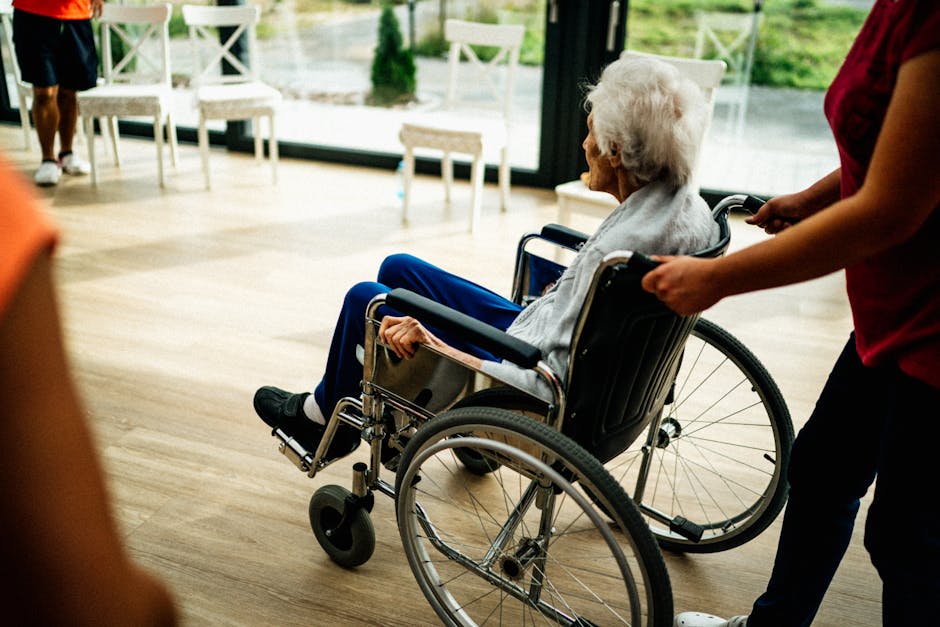
Infrastructure vs. Aesthetics: The 3am Test
Here is my favorite question to ask during any walk-through: "Who is in charge at 3am?"
The marketing director works 9 to 5. The Executive Director usually leaves by 6 PM. At 3am, the reality of the facility is left in the hands of the overnight staff. Are they adequately trained? Is there a nurse on-site, or is it just a medication technician who is stretched across three wings? This is where the real quality of care indicators are found.
You need to investigate the infrastructure, specifically the technology designed for safety:
- Door Alarm Systems: Are they magnetic? Are they delayed-egress? How loud is the chime? Ask them how often they test these systems. If they haven't run a drill in the last 30 days, they aren't ready for a resident with high-flight risk. Wander Management Technology: Is there a central hub that tracks the residents' location? How does the system handle "false alarms"? If the system is constantly chirping and being silenced by staff, it’s being ignored. An ignored alarm is just as dangerous as no alarm at all.
Table 1: Comparing Marketing Promises vs. Clinical Reality
Marketing Term The Hidden Risk The "3am" Question to Ask "Homelike Atmosphere" Safety gaps masked by decor "How are fall-prone residents monitored in the common areas overnight?" "Person-Centered Care" Cookie-cutter schedules "Give me an example of a recent change made to a care plan based on a resident's specific behavior." "Highly Trained Staff" High turnover/low experience "What is the nurse-to-resident ratio for the overnight shift?" "Active Engagement" Meaningless 'fluff' activities "How do you support a resident who refuses group activities?"The Medication Minefield: Polypharmacy
Polypharmacy is the silent killer in memory care. Many residents are on a cocktail of antipsychotics, sedatives, and mood stabilizers designed to "manage" behaviors. In a facility that is understaffed or poorly trained, these medications are often used as a chemical tether. This is why you must look for transparency in their medication management protocols.
Ask about their medication refusal policy. If a resident refuses a dose, https://smoothdecorator.com/beyond-the-warm-and-homey-facade-decoding-medication-side-effects-in-dementia/ what is the protocol? Is it just documented, or is the behavior reported to the physician? A facility that is comfortable with high rates of medication refusal without a follow-up review is a facility that is failing its residents. You want to see a team that asks, "Why are they refusing?" rather than one that simply marks "Refused" on a digital tablet and moves to the next room.
Memory Care vs. Assisted Living: The Difference is Critical
Don't let them tell you that "assisted living is just as good, just without the locked doors." That is a dangerous simplification. Memory care, when run correctly, is a clinical environment. Assisted living is a residential environment with support. If your loved one has a diagnosis of dementia, they require the specialized staff training, the specific environmental design (color-coding, non-glare flooring, sensory-rich but clutter-free spaces), and the enhanced monitoring that only a true memory care unit provides.
If the facility tries to steer you toward their "Assisted Living" wing for a resident with significant cognitive impairment, question why. Usually, it’s because they don’t have the staff-to-resident ratios required for true memory care, or their infrastructure is not up to code for wander management.
Accountability Matters: Follow Up
After you leave a facility, write it down. My philosophy has always been: Memory fades and accountability matters. Send a follow-up email. Even if you don't choose the facility, sending an email asking for clarification on staffing numbers or medication policies forces them to put their answers in writing.
Here is a template you can use for your follow-up emails:
"Thank you for the tour. I enjoyed seeing the facility." "You mentioned that your facility practices person-centered care. Could you provide a brief overview of your process for adjusting care plans when a resident exhibits new behavioral symptoms?" "Can you please confirm the current staffing ratios for the 3am shift for the memory care wing?" "What is your formal protocol for reporting and investigating medication refusals to the physician?"Final Thoughts
The next time you are on a tour and the marketing person offers you a cookie or points to the beautiful curtains, take a deep breath. Acknowledge the aesthetic, then pivot the conversation to the clinical. Ask about the alarms. Ask about the 3am staffing. Ask about the medication management.
If they get annoyed by your questions, that is your answer. A facility that is proud of its care will never be bothered by a family member who wants to understand the safety protocols. If they dodge your questions, walk away. No lobby in the world is worth the price of your loved one's safety.