Cooking with CBD tincture can be a delightful way to infuse your meals with all the potential benefits of cannabinoids while adding unique flavors. But dosing CBD for guests is an art and a science: it requires careful consideration to ensure potency, palatability, and safety. Whether you’re hosting a dinner party or preparing CBD-infused snacks, understanding the best methods and respectful etiquette around dosing is crucial.
Why Proper Dosing Matters
CBD affects everyone differently based on factors like body weight, metabolism, and prior exposure. When cooking for others, especially those new to CBD or sensitive to it, erring on the side of caution is key. Unfortunately, vague advice like “just add a dropper” can lead to inconsistent or overwhelming dosages.
My approach—honed over years of recipe development and testing CBD products from brands like Joy Organics—is to keep the dosing transparent and low, allowing guests to opt out or adjust according to their preferences.
Essential CBD Cooking Tips
1. Start Smaller: Let Guests Choose More
When cooking for others, always plan for lower initial doses. For reference, many beginners find 5-10 mg of CBD per serving manageable. If you prepare a batch of brownies, for example, calculate the total CBD content accurately and split it into appropriately sized portions with known milligram content per piece.
Communicate with your guests openly about what’s in the food and provide options to add more CBD in a separate topping or condiment if possible. This approach respects individual tolerances and preferences while preventing unintended overconsumption.

2. Tell Guests About CBD in Food
Transparency is not just courteous—it’s necessary, especially if there are allergies, other medications, or personal choices involved. Label dishes clearly or announce ingredients, and if unsure about doses, provide some context on how much CBD might be contained per serving.
Encourage questions, and share your dose calculations if asked. This builds trust and helps people feel safe trying something new.
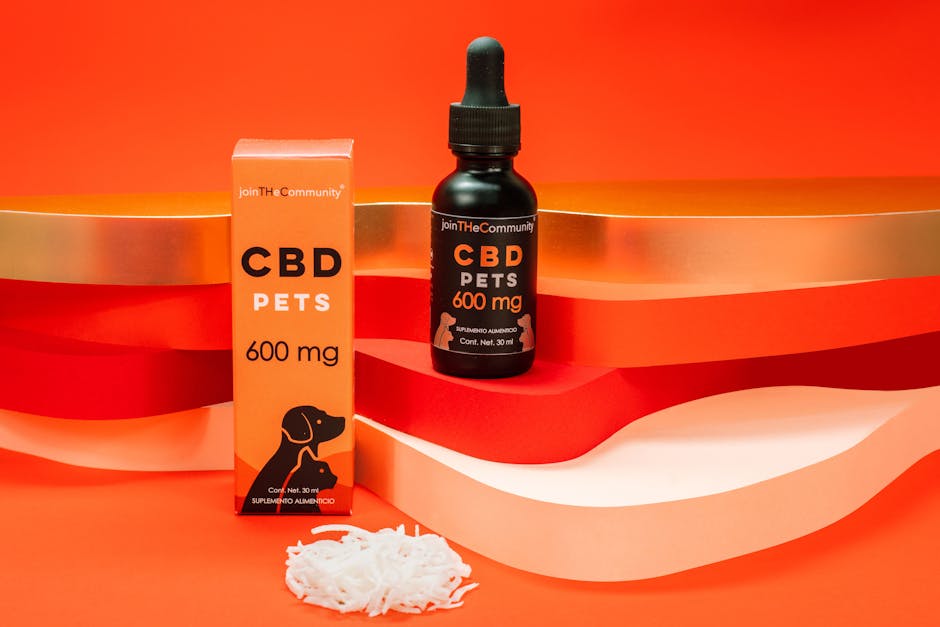
3. Use an Amber Glass Bottle and Calibrated Dropper
A quality amber glass bottle keeps your CBD tincture safe from UV light degradation, preserving the potency and aroma longer. Many reputable brands, including those certified by the USDA National Organic Program, package tinctures in amber bottles for this reason.
The accompanying dropper that comes with tinctures usually has fill lines—use these to measure out doses precisely rather than guessing. For example:
Dropper Marking Approximate Volume CBD Content* (assuming 1000mg/30ml bottle) 0.25 ml (1/4) 0.25 milliliters ~8.3 mg 0.5 ml (1/2) 0.5 milliliters ~16.7 mg 1.0 ml (full) 1.0 milliliters ~33.3 mg*Note: Always check the actual concentration on the label as products vary.
The Science Behind Heat and CBD
One major recipe setback I see is adding CBD tincture directly into boiling pots or cooking with high heat. As a former line cook, I can confirm: heat degrades cannabinoids as well as the delicate terpene aroma compounds that give CBD its flavor and unique effects.
- Temperatures above 320°F (160°C) can start to break down active cannabinoids. Volatile terpenes that contribute to characteristic flavors dissipate quickly with prolonged heat. Excessive heat turns your carefully dosed tincture into a less potent, altered-tasting ingredient.
The best practice is to add CBD tincture off heat at the end of cooking or in a warming phase below 150°F (65°C). This preserves both potency and the nuanced aroma compounds imparted by high-quality oils like those from Joy Organics or USDA organic-certified products.
How to Incorporate CBD Tincture in Cooking
Complete your cooking process for hot dishes and turn off the heat. Allow the dish to cool slightly, closer to a temperature where you can still eat comfortably but below 150°F. Measure your desired dose precisely using the dropper. Whisk or stir tincture thoroughly into fat-containing sauces, dressings, or emulsions for best dispersion. Serve promptly to retain aroma and effect.Why Fat Matters: The Carrier Effect
CBD tinctures commonly use fat-based carrier oils like MCT (medium-chain triglycerides), hemp seed oil, or olive oil. Fat serves as a natural dispersant because cannabinoids are fat-soluble, meaning CBD dissolves and distributes well in fatty mediums.
For example, infusing a CBD tincture directly into a fatty dish like a creamy sauce or store CBD tincture in fridge salad dressing ensures more even distribution and absorption, resulting in better bioavailability compared to mixing it with water or water-heavy beverages.
Avoid Water-Only Drinks Unless Adding Fat First
If you’re thinking of spiking a pure water-based drink (like juice, tea, or soda) with CBD tincture, consider adding a small amount of fat first to help the CBD emulsify properly. Without fat, the tincture tends to separate, standing out as oily droplets, which many mistake for a “bad product.” This separation is natural chemistry—not a defect.
Try whisking the tincture with a bit of cream, coconut milk, or a healthy oil to stabilize the mixture in water-based drinks.
Tracking and Optimizing Your CBD Dosing
Keeping track of your CBD experiments can help you refine recipes and gauge guest preferences more effectively. I recommend using tools like Google Analytics (or even a simple spreadsheet) to track which recipes your guests liked, how well the doses were tolerated, and gather feedback for future meals.
Notes to track include:
- Dose per serving Guest feedback (tolerance, flavor, potency) Whether guests opted out or requested more CBD Meal timing and cooking method
This data can elevate your kitchen skills and help ensure everyone enjoys the CBD experience—on their terms.
Sample Dosing Calculation for a Batch Recipe
Suppose you’re making 12 servings of a CBD-infused dip and you want approximately 10 mg CBD per serving. You have a 30 ml CBD tincture bottle that contains 1000 mg CBD total.
Action Amount Calculation Result Total CBD needed 12 servings × 10 mg per serving 12 × 10 mg 120 mg CBD Volume of tincture needed ? \( \frac120\,mg1000\,mg/30\,ml = \frac12033.3\,mg/ml \) ~3.6 ml tincture Drops if 20 drops = 1 ml ? 3.6 ml × 20 drops/ml 72 dropsSo, to dose 12 servings at 10 mg each, stir 3.6 ml (about 72 drops) evenly into your finished dip off heat. Then portion into 12 cups.
Final Thoughts: Respect, Precision, and Patience
Cooking CBD for others is rewarding but demands respect for dosing, transparency, and science. Use precise measuring tools like the amber glass dropper bottles, always add tincture off heat to preserve cannabinoids and terpenes, and seek to let guests opt out or adjust doses themselves.
By starting smaller, informing your guests, matching CBD with fat-based foods, and avoiding heat damage, you’ll create enjoyable, effectual CBD culinary experiences your friends and family can appreciate—and ask for again.
For top-quality ingredients, I always recommend looking to trusted companies like Joy Organics and those certified by the USDA National Organic Program to ensure safety and consistency.
Have you cooked with CBD tinctures before? Share your dosing tips or favorite recipes below!