If you were to open my Notes app right now, you’d find a list titled "What actually helped this week." It’s not filled with life-changing revelations or expensive retreats. It’s filled with mundane, practical wins: a batch-cooked chili, finding a podcast the toddler actually listens to, and finally getting that specialist consultation done during my lunch break without having to rearrange the entire school run schedule.
Let’s be honest: when you’re a parent, the biggest barrier to looking after your own health isn’t a lack of motivation. It’s a lack of time. It’s the "busy schedule healthcare" trap where you prioritize the pediatrician appointment for the kids, the dentist for the partner, and the endless logistics of household management, while your own needs stay at the very bottom of the pile. This is where telehealth is starting to make a genuine dent in the chaos.
What Exactly Is Telehealth? (The School-Run-Friendly Definition)
I hear the term "telehealth" thrown around in boardrooms and tech blogs, but let’s strip away the corporate buzzwords. In plain English, telehealth is simply using your phone, tablet, or laptop to see a medical professional instead of trekking to a clinic or sitting in a crowded waiting room for forty-five minutes. Remote consultations mean you can speak to a doctor, a nutritionist, or a therapist from your kitchen table while the pasta boils or during a quiet moment in your parked car.
It’s not about replacing all in-person medical care—obviously, if you’ve broken a bone, you need to be in a hospital. But for the dozens of other things that pull us away from our day—mental health check-ins, routine specialist follow-ups, or navigating those confusing "what is this weird rash?" moments—telehealth is becoming a vital tool for telehealth UK parents who are tired of the traditional, rigid system.
Moving Beyond the "Fitness" Narrative
For too long, the "wellness" industry has sold parents a very specific, narrow vision: you should be waking up at 5:00 AM to do a high-intensity workout, followed by a green smoothie. If you don’t, you’re failing at health. I’m here to tell you that’s rubbish.

True wellness, especially for parents, is shifting away from fitness-focused perfectionism toward sustainable, holistic health. We are talking about genuine recovery from burnout, managing chronic stress, and addressing the mental load. Telehealth has opened the door to specialists who understand this transition. You can now access:
- Nutritionists who understand that you aren't cooking a gourmet meal at 7:00 PM; you’re looking for high-protein, low-effort nutrition. Therapists who specialize in parental burnout and the specific anxiety that comes with modern, hyper-connected parenting. Movement Specialists who focus on functional health (fixing that back pain from carrying a toddler) rather than just "getting summer-ready."
The Reality of Burnout and Digital Overstimulation
We are the most connected generation of parents in history, and honestly? It’s exhausting. We are constantly pinged by school apps, work emails, and social media feeds. This "digital overstimulation" is a massive contributor to the burnout many of us are carrying.
One of the biggest hurdles to fixing this burnout is the sheer effort of going to see someone about it. If you’re struggling with high cortisol levels or the early signs of exhaustion, the last thing you want to do is navigate public transport or traffic to see a professional. Digital consultations remove that hurdle. By reducing the physical logistics of seeing a specialist, we lower the "barrier to entry" for seeking help. You don't have to be at your breaking point to book a 20-minute check-in; you can treat it as a routine maintenance task, just like a regular GP visit.
Personalized Health: Why One-Size-Fits-All Doesn't Work
Have you ever read a health article that told you to "just practice mindfulness" and wanted to throw your phone across the room? That’s the classic symptom of one-size-fits-all advice. What works for a CEO with a personal assistant is not going to work for a solo parent juggling a freelance job and school pick-ups.
Telehealth allows for a more personalized approach. Because remote consultations are often more efficient and focused, you spend less time on paperwork and more time talking to a human being who can actually tailor a plan to *your* reality. You can ask: "How do I fit mindfulness into a day where I am literally never alone for more than three minutes?" A specialist who works via telehealth is usually accustomed to the reality of the modern home environment and can offer strategies that actually stick.
Comparing Your Care Options
To help you see the difference in how these services fit into your life, I’ve broken down the practical logistics of traditional care versus digital consultations.
Feature Traditional Clinic Visit Digital Consultation Travel Time High (Traffic, parking, transit) Zero (From your couch) Waiting Time Often 30+ mins in a lobby Minimal (Digital queues) Parental Logistics Requires childcare/coordination Can happen during nap time/breaks Focus General/Broad Highly personalized/Targeted Barrier to entry High (Takes hours of the day) Low (Takes 20-30 mins)Holistic Practices: A Modern Approach
When I talk about "holistic practices," I don’t mean anything vague or esoteric. I mean looking at your life as a system. If you are burned out, we don't just talk about "stress." We look at your sleep hygiene, your nutrition, your movement, and your boundaries. Here is how telehealth specialists help you put this into practice:
Mindfulness as a Tool, Not a Chore: Instead of "do 20 minutes of meditation," a specialist can help you find "micro-moments" of regulation—simple breathing techniques you can use while hiding in the pantry for a snack. Nutrition for Energy: It’s not about diets. It’s about blood sugar management so you aren't hitting a 3:00 PM wall that leaves you reaching for a third cup of coffee. Movement for Function: Addressing the chronic tension in your shoulders or neck that accumulates from modern life. Therapy for Support: Providing a safe, judgment-free space to unpack the "parenting guilt" that so many of us carry around like a heavy backpack.The Bottom Line: Don't Overthink It
If there is one thing I’ve learned in nine years of writing about family health, it’s that the "perfect" wellness routine doesn't exist. There is no miracle cure. There is only https://smoothdecorator.com/why-do-chronic-symptoms-mess-with-parenting-so-much/ what helps you stay upright, sane, and present for your kids.
If you have been putting off seeing a specialist—whether it’s for your mental health, a nagging physical issue, or just a general "I don't feel like myself" feeling—please don't let the logistics stop you. Busy schedule healthcare doesn't have to be a myth. By leveraging telehealth UK parents (and parents everywhere) have a legitimate opportunity to outsource the heavy lifting of care-seeking to someone who can help us build a plan that actually fits our chaotic, beautiful, loud lives.
My advice? Check your health insurance policy or local NHS/private provider options today. See if you can book a 20-minute digital intro call. It’s not a miracle, but it https://bizzmarkblog.com/how-telehealth-is-quietly-changing-the-game-for-busy-parents/ is a step. And sometimes, one small step is all you need to keep going.
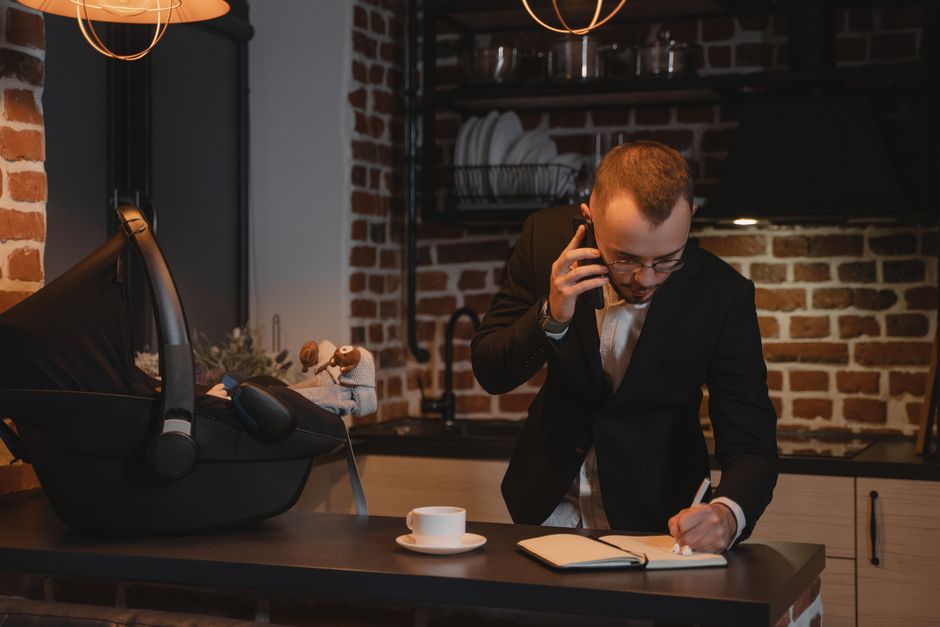
Three quick tips for your first remote consultation:
- Be honest about your constraints: Tell them, "I have 20 minutes and no time for elaborate prep." They will appreciate the transparency. Write it down: Keep a quick list of symptoms or concerns. It helps stop the "I forgot to ask" regret after the call ends. Find a quiet nook: Even if it's just the walk-in closet. Five minutes of uninterrupted time is better than fifty minutes of being interrupted.
Remember: If you're feeling overwhelmed, that is a sign to reach out, not a sign that you're failing. You're doing the hard work already; let’s make the healthcare work for you, not against you.