If you have been considering medical cannabis as part of your treatment plan, you’ve likely spent hours researching, reading NICE (National Institute for Health and Care Excellence) guidelines, and navigating online eligibility forms. But there is one hurdle that often feels more daunting than the clinical process itself: telling your family.
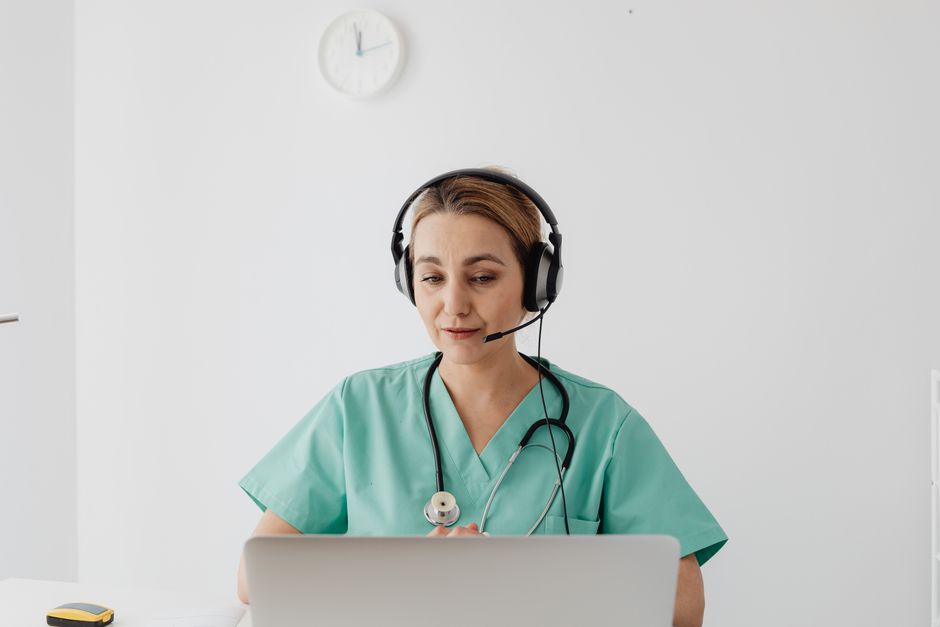
After nine years working in NHS administration, I have sat in on countless onboarding calls where patients confess: "I’m worried my parents will think I’m just trying to get high." The stigma surrounding cannabis is deeply rooted, often confusing Check out here the therapeutic use of CBMP (Cannabis-based Medicinal Products) with recreational drug use. Let’s break down how to bridge that gap using clear, evidence-based language.
Understanding the Shift: Why It Is Medicine, Not "Recreational"
The first step in any conversation is precision. When talking to family, the biggest mistake is failing to differentiate between illicit cannabis and prescribed, regulated medicinal cannabis. In the UK, the landscape shifted in November 2018 when the law changed to allow specialist doctors to prescribe cannabis-based medicines for certain conditions.

When you speak to your family, frame it as a medical decision overseen by a consultant. You are not "using cannabis"; you are following a tailored treatment protocol prescribed by a specialist. Unlike street cannabis, which is unregulated and carries significant risks of contamination, CBMPs are produced to GMP (Good Manufacturing Practice) standards. Every batch is tested for cannabinoid content and potential contaminants.
What happens next: Once you have explained the medical nature of the prescription, your family will likely want to know who is overseeing your care. You can confidently explain that you are being monitored by a specialist clinic.
Reframing the Conversation: The 'Synonyms Hack'
One of the ways I help patients manage these conversations is through a Synonyms Hack. Often, the words we use trigger an immediate, emotional response in others. By shifting the language, you lower the defensiveness in the room.
Confusing/Loaded Phrase Patient-Centered Alternative "I’m using medical cannabis." "I’m using a cannabis-based medicine prescribed by my specialist." "I smoke it to help my pain." "I use a vaporised medicinal product as directed by my treatment plan." "It’s an alternative to my current meds." "It’s a supplementary treatment to help manage symptoms my current medication hasn't addressed." "I bought some CBD online." "My clinician has prescribed a specific formulation regulated by the MHRA/home office guidelines."Note: It is vital to distinguish between store-bought CBD and prescription cannabis. CBD-only products are supplements. Prescribed CBMPs contain a range of cannabinoids tailored to your specific pathology.
The Reality of UK Access: Why It Isn't Like the US
A common friction point in family discussions is the assumption that UK access is the same as in many US states. It is not. In the UK, you cannot simply walk into a dispensary. The pathway is rigorous and strictly regulated.
Explain to your family that the process is professional and clinical:
- Specialist Prescribing: You are assessed by a specialist doctor on the GMC Specialist Register. Remote-First Clinic Systems: Most patients utilize remote-first clinic systems, which allow for digital consultations and secure, tracked delivery of medications. Clinical Monitoring: This isn't a one-off prescription. You are expected to have follow-up consultations to monitor the efficacy of the treatment and adjust dosages.
As Brad Hook, a patient advocate in this space, often reminds us: "The goal of these systems is to ensure that cannabis is treated with the same clinical scrutiny as any other controlled medication."
What happens next: Your family may ask why the NHS doesn't just provide this. It is important to be honest: while the NHS has the pathway, it is extremely limited due to strict guidelines. Private clinics currently act as the primary access point for many patients who have exhausted traditional pharmaceutical options.
Navigating the 'What If' Questions
Family members often operate from a place of fear—fear of addiction, side effects, or legal trouble. Do not dismiss these concerns. Address them as legitimate health queries.
Addressing the Fear of "Getting High"
Explain that medicinal cannabis is not about intoxication; it is about "titration." You start at a very low dose to find the minimum effective level that manages your symptoms without interfering with your daily life. The goal is symptom relief, not a "high."
Discussing Administration Routes
Explain the difference between smoking (which is never medically recommended) and vaporising. You are prescribed a specific, precise dose to be inhaled through a medical-grade vaporiser, or an oil to be taken orally. This allows for accurate dosing, which is essential for consistent medical outcomes.
Preparing for the "But Is It Proven?" Talk
Your family might ask if there is evidence. You don't need to be a scientist to answer this. Mention that you are being treated under the guidelines that have been evolving since 2018. If your family is skeptical, direct them to official, reliable resources like the NICE website or your clinic's own patient portal. Being transparent about your treatment plan builds trust.
What happens next: After this conversation, give them space to process. They might come back with more questions in a few days. Encourage them to be part of the journey if they feel comfortable—for instance, by showing them how a medical vaporiser works or explaining how you track your symptom progress in an app.
A Note on Language: Phrases That Confuse Patients (And Their Families)
In my nine years of content editing, I’ve kept a "running list of phrases that confuse patients." Using these in front of family often leads to misunderstandings. Avoid these phrases:
- "It works for everyone." (Stop. Nothing works for everyone. Be honest about how it might take time to find the right strain or formulation.) "It’s completely natural." (So is arsenic. "Natural" is not a synonym for "safe." Focus on "clinically regulated" instead.) "You can use it for anything." (This is irresponsible. You are using it for your specific, diagnosed condition.)
Taking the First Step: Empowerment Through Education
If you are still in the early stages, start by filling out the online eligibility forms provided by reputable clinics. These forms are not just a bureaucratic hurdle; they are a clinical screening tool. They ensure that your medical history—including contraindications—is reviewed by a doctor before you even set foot in a virtual waiting room.
When you sit down with your family, lead with your health outcomes. Talk about the symptoms that keep you up at night, the medication side effects you have struggled with, and the hope you have for a better quality of life. Medical cannabis is simply another tool in your toolkit, provided by a specialist, designed to help you function better.
What happens next: Once you have had the talk, focus on your clinical progress. When your family sees that your https://bizzmarkblog.com/is-releaf-really-one-of-the-most-reviewed-cannabis-clinics-in-the-uk-an-honest-patient-guide/ treatment is improving your day-to-day life, the "stigma" usually begins to dissolve. It is much harder to argue with a family member’s improved health than it is to debate a political or social issue.
Remember: You are pursuing a medical treatment pathway that is legal, regulated, and overseen by experts. You have every right to approach this with the same confidence you would have when starting any other new prescription.