If you have spent any time in a pharmacy aisle or scrolling through wellness Instagram lately, you’ve likely seen the term plant-based wellness products plastered across everything from overpriced matcha kits to scented candles that claim to "fix your cortisol." As someone who has spent 12 years covering workplace wellbeing and has sat through enough HR-mandated "resilience" workshops to make my eyes glaze over, I’ve developed a fairly sharp radar for marketing fluff.
The term "plant-based" has been hijacked. It used to imply a dietary choice; now, it’s a catch-all marketing label designed to imply "natural" and therefore "safe." But let’s be clear: hemlock is plant-based, and I wouldn’t recommend adding that to your morning smoothie. When we talk about herbal wellness and natural wellbeing in the context of our modern, frazzled lives, we need to stop viewing these products as "miracle cures" and start viewing them as supplements to, not replacements for, actual recovery.
Beyond the Bubble Bath: Redefining Self-Care
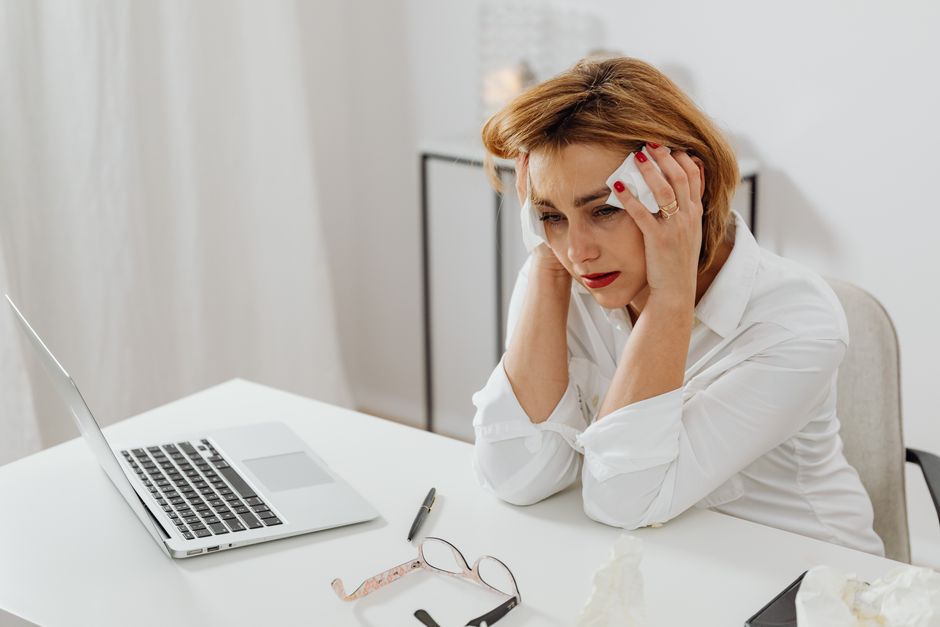
For too long, the industry has sold us "self-care" as a form of pampering—a spa day, a fancy face mask, or a bathtub soak. While those things are lovely, they aren’t structural fixes for burnout, stress, or mental fatigue. If you are drowning in a toxic workplace or struggling with chronic sleep deprivation, a lavender-scented pillow spray isn’t going to save you. It’s a nice sensory experience, but it’s not a holistic routine.
True self-care is often boring. It’s setting a boundary, it’s managing your blood sugar, and it’s actually getting to bed at a time that aligns with your biology. When we look at plant-based wellness products, we should be asking: "Does this actually address a physiological need, or is it just another aesthetic purchase?"
The Shift Toward Personalised Wellness
One of the most annoying trends I see in corporate wellness is the "one-size-fits-all" approach. You’ve likely seen it: a company-wide initiative where everyone gets the same chamomile tea and a meditation app subscription. But what helps my nervous system might do nothing for yours. We have different baseline stressors, different gut biomes, and different genetic predispositions to sleep issues.
This is where digital wellness platforms and high-quality online health resources become useful, provided you use them as data-gathering tools rather than gospel.
How to Use Data to Inform Your Routine
I keep a notebook of sleep experiments—things I’ve tried that backfired spectacularly (like taking high-dose magnesium too close to bedtime, which gave me the most vivid, anxiety-inducing dreams). By tracking your inputs, you can personalize your approach to natural wellbeing.
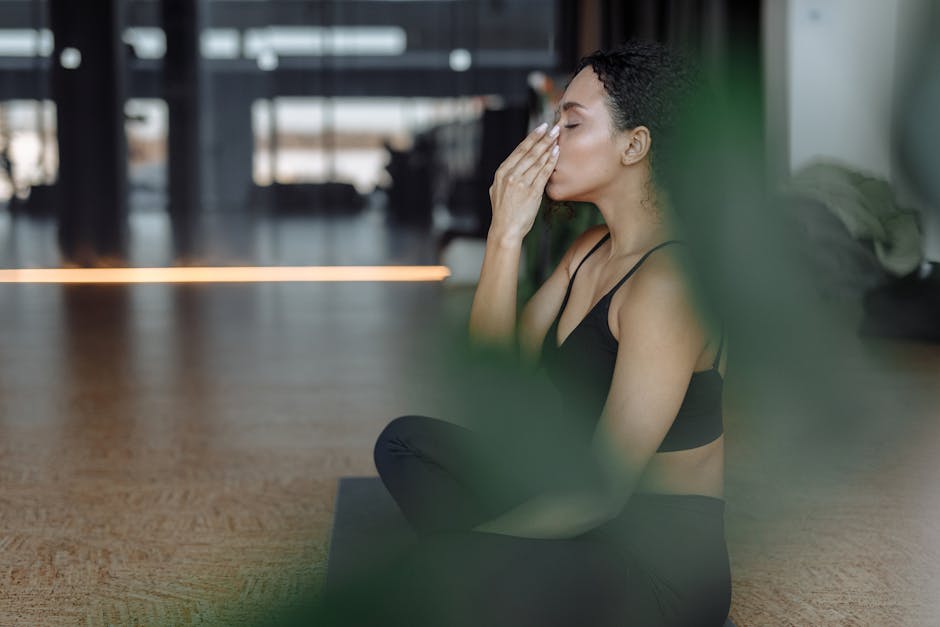
Baseline: Use a digital platform to track your current sleep quality and energy levels for two weeks before changing anything. Intervention: Introduce one variable at a time (e.g., a specific herbal tea, a breathwork practice, or a cooling sleep pad). Review: Be ruthless. If the product didn't improve your recovery metrics, ditch it. Don't fall for the "it just takes time" sales pitch.Burnout and the "Quick Fix" Trap
We are currently living through an epidemic of mental fatigue. When you are burnt out, your executive function is the first thing to go. You don't have the bandwidth to research the bioavailability of an ashwagandha supplement, which makes you the perfect target for "miracle cure" marketing.
I see so many people spending hundreds of dollars on supplements meant to "reset" their stress response. While adaptogens like rhodiola or ashwagandha have long histories in herbal wellness, they are not a substitute for rest. If you are pulling 60-hour weeks and living on caffeine, no herbal tonic is going to fix your central nervous system. It’s like trying to put out a forest fire with a water pistol.
The Claim The Reality "Natural sleep aid will fix your insomnia instantly." Sleep issues are often behavioral. Herbs support, but they don't solve poor sleep hygiene. "This adaptogen eliminates stress." It may buffer the physiological response, but it won't change your workload. "Plant-based wellness products have no side effects." Anything potent enough to affect your physiology is potent enough to have side effects. Check for interactions.Building Sustainable, 10-Minute Routines
My philosophy on wellness has always been that if a routine takes more than 10 minutes to set up or perform, it probably won't last. We are busy. We are tired. We don't have time for a 90-minute morning ritual involving chanting and expensive contraptions.
True holistic routines are built into the margins of your day. Here are three evidence-based, 10-minute-or-less practices that actually support recovery:
- The "Brain Dump": Spend 5 minutes before bed writing down every single thing on your mind. This clears the cognitive load that causes nighttime mental fatigue. Cold Exposure (The 2-Minute Version): Ending your morning shower with 60 seconds of cold water is a powerful, plant-free way to reset your autonomic nervous system. It’s miserable, but it works. Herbal Tea Ritual: Choose one high-quality herbal tea (I prefer valerian or lemon balm) and drink it without your phone. The ritual of the hot mug and the screen-free time is often more effective than the ingredients themselves.
Avoiding the "Productivity Shaming" Language
One final note: watch out for any wellness brand that uses shaming language. If a product or service implies that you are "failing" because you haven't "optimized" your life, run away. There is a disgusting amount of productivity-shaming in the wellness space—the idea that you need to be a perfectly rested, plant-powered, high-functioning machine to be worth anything.
You don't. Sometimes, recovery means doing absolutely nothing. Sometimes, it means admitting that a "wellness routine" is just another chore on your to-do list, and you have permission to cross it off.
Conclusion: The Bottom Line
When you see products labeled as "plant-based wellness," take a breath and look past the label. Ask yourself:
- Does this supplement/product have clinical backing, or is it just a buzzword? Am I buying this to fix a structural problem that needs a change in lifestyle rather than a product? Am I being sold a "miracle," or am I being sold a tool to support a broader, sustainable habit?
Use your online health resources to check for drug interactions, track your own data to see if these things actually change your recovery metrics, and never, ever feel pressured to buy into a "wellness" trend that leaves your bank account lighter but your stress levels exactly the same.
Remember: The best wellness tools are usually the ones that teach you how to sleep disruption help listen to your own body, not the ones that try to tell it what to do. Keep it simple, keep it evidence-based, and stop buying the hype.