Bringing a new baby home is a beautiful, exhausting, and often overwhelming experience. Among the many challenges new moms face, sleep disruption is one of the most relentless—and it can leave you feeling like a shell of yourself. If you’re in the thick of postpartum recovery and wondering how to reclaim any semblance of rest, you're not alone.
Let’s break down what’s going on with your sleep after baby, why it feels like your body and brain are working against you, and most importantly—a few practical ways you can regain control over your sleep schedule and stress management. I’ll also introduce a handy tool that helps you understand your unique sleep needs as a woman.
Why Postpartum Sleep Disruption Hits Harder for Women
Sleep isn’t just about feeling rested or having enough energy—it’s a foundation for your overall health, mood, hormone balance, and cognitive function. As a new mother, your body’s needs are shifting dramatically across several dimensions:

- Hormonal Changes: After childbirth, fluctuations in estrogen, progesterone, and prolactin impact your ability to fall asleep and stay asleep. Physical Recovery: Your body is healing from delivery, which can involve pain, discomfort, or other physical challenges that interfere with rest. Infant Care: Nighttime feedings and diaper changes fracture your sleep into short segments, making your sleep feel shallow and fragmented.
Women-Specific Sleep Disruptors Across Life Stages
Sleep challenges aren’t new in women's lives—they shift with hormones during the menstrual cycle, pregnancy, postpartum, and eventually menopause. Postpartum presents a unique storm of challenges:
Pregnancy sleep changes: Many women notice disrupted sleep in the last trimesters, setting a pattern that can continue postpartum. Postpartum sleep loss: It’s normal to experience frequent awakenings due to baby’s needs, but this period can last longer than expected, sometimes months beyond the initial recovery. Ongoing hormonal swings: Hormones still don’t settle quickly postpartum, especially if you are breastfeeding, which can prolong sleep disruption.Understanding these stages helps frame why it’s not “just you” and why patience and customization in https://bizzmarkblog.com/does-reading-before-bed-help-or-keep-you-awake/ sleep support are key.
How Hormones Affect Postpartum Sleep Quality
Immediately postpartum, your hormone profile changes drastically. Estrogen and progesterone—both sleep-friendly hormones—drop off sharply after birth, which can make it harder to fall asleep and stay asleep.
Adding to this, high levels of prolactin from breastfeeding promote drowsiness but can paradoxically fragment sleep due to frequent wakings.
And don’t forget cortisol, your body’s main stress hormone, which can surge if you’re feeling overwhelmed, anxious, or exhausted—common in new moms. Elevated cortisol late in the day or at night interferes with the depth and quality of restorative sleep.
Practical Tip:
Tracking your sleep alongside your menstrual cycle and breastfeeding patterns can help identify hormonal impacts. Tools like the Women In Balance Sleep Calculator offer tailored guidance by considering your hormonal phase, helping you adjust your schedule and bedtime for better outcomes.
The Mental Load and Bedtime Anxiety: Why It Feels So Hard
Sleep isn’t just about your body—it’s also about your brain. For many women, especially in postpartum, mental load and bedtime anxiety are major culprits behind poor sleep.
The mental load includes all the invisible, ongoing tasks: planning feeds, scheduling pediatrician appointments, worrying about baby’s well-being, managing household chores, and sometimes working or other children’s needs. It’s like your brain doesn’t know how to switch off.
At night, when your body’s cues tell you to rest, your mind can start racing—running through to-do lists, fears, or replaying the day’s challenges. This bedtime anxiety can make falling asleep or returning to sleep tough.
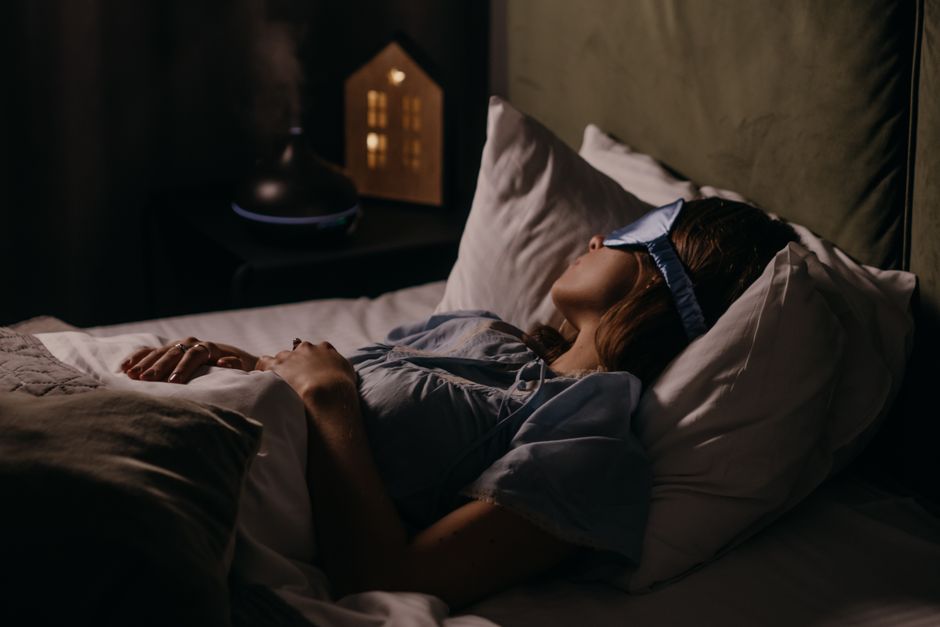
Simple Stress Management Strategies to Try Tonight
- 10-minute wind-down routine: Dedicate a small window before bed to quiet activities—read, listen to calming music, or practice deep breathing. Brain-dump notebook: Keep a notepad by your bed and write down all the thoughts whirling in your brain. Getting them on paper helps empty your mind for sleep. Mindful breathing: Practice slow, deep breaths with a focus on extending your exhale to reduce nervous system arousal. Limit screen time: Screens emit blue light that disrupts melatonin production. Try to avoid devices at least 30 minutes before bed.
What You Can Control: Building a Sustainable Postpartum Sleep Routine
It’s tempting to chase “miracle” solutions for sleep, but those don’t exist—especially in the messy, unpredictable postpartum phase. Instead, focus on what’s within your control.
1. Respect Your Sleep Needs Individually
One of the most empowering steps is clearly understanding your personal sleep needs. The Women In Balance Sleep Calculator offers a women-specific approach, factoring in your life stage and hormone patterns to recommend an ideal sleep window.
This is more realistic and tailored than the conventional “7-9 hours” advice. Recognizing your baseline helps you judge improvements and set lighter expectations during tough nights.
2. Prioritize Consistent Bed and Wake Times
Even if your sleep is broken up by feedings, try to hit the same bedtime each night and wake-up time each morning when possible. This approach helps anchor your circadian rhythm—a crucial biological clock that regulates sleep and wakefulness.
3. Napping Strategically
Short naps (15-30 minutes) in the early afternoon can help counter sleep debt without interfering with nighttime sleep. Coordinate your naps around your baby’s sleep schedule to make the most of these opportunities.
4. Enlist Support for Nighttime Duties
If you have a partner, family, or trusted friends, share nighttime care duties so you get longer blocks of uninterrupted sleep when possible. Your window for deep, restorative sleep increases exponentially when you get even one 3-4 hour stretch.
5. Mind Your Diet and Hydration
Avoid caffeine late in the day, stay hydrated but taper fluids before bedtime to limit bathroom trips, and include magnesium-rich foods or supplements to support muscle relaxation and calmness.
When to Ask for Help
If your sleep struggles persist beyond the first few months postpartum or feelings of anxiety and exhaustion feel overwhelming, talk to a healthcare professional. Postpartum depression and anxiety are common and treatable conditions that also disrupt sleep quality.
Sometimes a sleep specialist or women’s health practitioner can connect the dots between hormone imbalances, mood, and sleep patterns.
Summary Table: Postpartum Sleep Tips at a Glance
Challenge Control Strategy Why It Helps Fragmented night sleep Share nighttime duties with partner/support Allows for longer uninterrupted sleep blocks Bedtime anxiety and mental load 10-minute wind-down & brain-dump notebook Reduces racing thoughts, preps mind for rest Hormonal shifts affecting sleep timing Use Women In Balance sleep calculator Tailors ideal bedtime based on your cycles Daytime fatigue due to poor night sleep Short scheduled naps Restores alertness without spoiling nighttime sleep Diet affecting sleep quality Limit caffeine & boost magnesium intake Improves relaxation and deeper sleep stagesFinal Thoughts
Postpartum sleep is undeniably tough, but understanding the unique hormonal and mental hurdles women face can help screen time before bed shift your mindset from frustration to proactive self-care. By focusing on small, actionable steps—like using the Women In Balance Sleep Calculator to set a realistic sleep schedule, managing stress with a simple nighttime wind-down, and sharing nighttime duties—you can regain some sleep control during this challenging but temporary phase.
Remember, your needs matter, and this sleep-deprivation chapter won’t last forever. Be kind to yourself—and keep those 10-minute wind-downs—and paper notebooks nearby. Your health, mood, and resilience depend on it.
Sweet dreams (eventually),
Former Health Magazine Editor & Women’s Wellness Writer