I’ve spent nine years behind the curtains of the esports machine. I’ve sat in cramped team houses where the air is 80% stale energy drink vapor guide to esports player wellbeing and 20% mounting anxiety. I’ve watched coaches lose their jobs because they couldn’t get a roster to wake up for an 11:00 AM block, and I’ve seen “star” players turn into absolute liabilities during tournament grand finals because their reaction times slowed down by a critical 20 milliseconds.
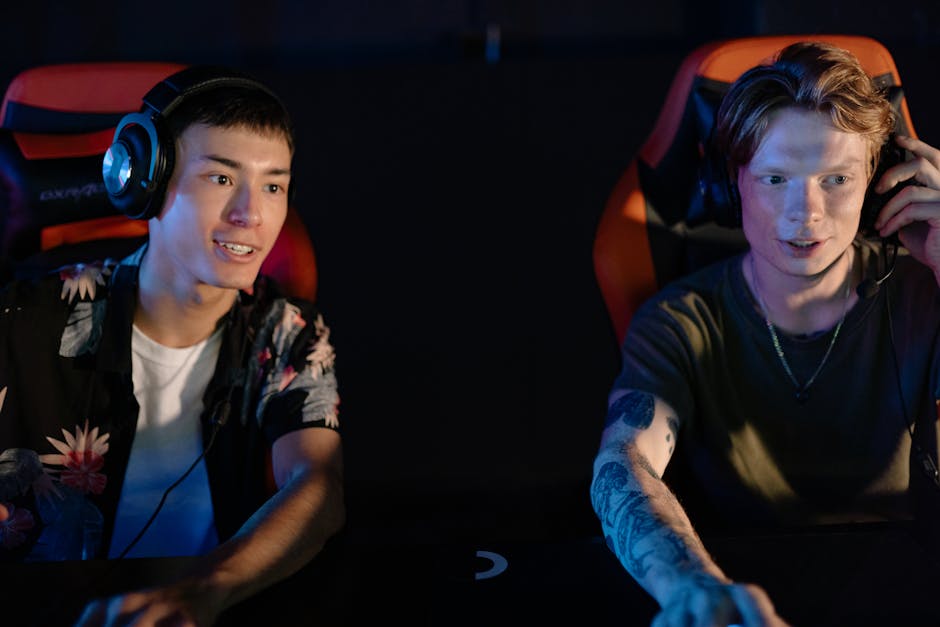
If there is one thing I’ve learned from working alongside sports psychologists and strength coaches in tier-2 rosters, it’s this: calling burnout a “lack of discipline” is a lazy excuse for bad management. When a player is bottom-fragging or gaming wellness routine making iron-tier decision-making errors, it’s rarely because they aren’t “grinding” hard enough. It’s because their hardware—their brain—is running on a thermal-throttled operating system due to sleep deprivation.
So, let's talk about the math. Forget the "I’ll sleep when I’m dead" hustle culture. Here is what the science says about sleep quality in esports and how it impacts your rank, your paycheck, and your longevity in the scene.
The Magic Number: Why 6 Hours Isn't Enough
If you tell me you function perfectly on six hours of sleep, I’m going to tell you that you’ve simply forgotten what peak cognitive performance feels like. In the professional scene, we treat sleep like a luxury. It’s not. It’s the final stage of your daily training block.
For the average adult, and specifically for the athlete who relies on high-velocity cognitive processing, the target is 7.5 to 8.5 hours of actual sleep. Note: actual sleep, not “time spent in bed staring at your phone.”
The Cognitive Performance Link
When you skimp on sleep, your prefrontal cortex—the part of the brain responsible for high-level executive function and decision-making—starts to misfire. In a high-pressure, tactical environment like *VALORANT*, *League of Legends*, or *CS2*, you aren't just clicking heads. You are tracking ability cooldowns, managing micro-rotations, and communicating complex macro-strategy under duress. When you are sleep-deprived, your brain prioritizes basic survival over complex analysis. You stop making proactive plays and start making reactive, panicked ones.
The Relationship Between Reaction Time and Sleep
Let’s talk about reaction time sleep degradation. We often quantify this through simple click-tests, but it’s more nuanced than that. Let me tell you about a situation I encountered learned this lesson the hard way.. A single night of restricted sleep (under six hours) can result in a cognitive decline equivalent to being legally intoxicated. You aren't playing your best; you’re playing at a handicap.
Hours of Sleep Cognitive Impact Performance Outcome 8+ Hours Peak executive function, optimal pattern recognition. Sharp decision-making, consistent crosshair placement. 6 Hours Increased emotional reactivity, narrowed focus. Delayed macro-calls, tilt-prone, slower micro-adjustments. 4 Hours Severe memory recall deficit, microsleeps. Missed comms, fatal positioning errors, total performance floor collapse.Burnout is a Team Performance Issue, Not a Personal Failure
When an org tells you that burnout is just a “mental hurdle” you need to power through, they are setting your career on fire. Burnout in esports is almost always a systemic failure of the team's operations. If your schedule forces you to play until 2:00 AM, VOD review until 3:00 AM, and then demands you be ready for practice by 10:00 AM, you are being exploited, not coached.
Burnout manifests as emotional exhaustion and depersonalization. You stop caring about the game; you stop listening to your teammates during comms because you’re mentally checked out. This isn't a discipline problem. It’s biology. Exactly.. If you are a team manager, listen closely: If your players are burnt out, your training methodology is obsolete.

My Running List: Sleep Myths Teams Still Repeat
I’ve kept this list in my phone since my first tournament in 2015. Every time a team owner or a veteran player tries to sell me on one of these, I pull this out. Don't believe them.
"I can catch up on sleep on the weekends." — Sleep debt doesn't work like a bank account. You cannot "pay back" brain health. Irregular sleep patterns ruin your circadian rhythm, making it harder to fall asleep on work nights. "Naps replace deep sleep." — A 20-minute power nap is a bridge, not a foundation. It won't fix the damage of a chronic 5-hour sleep cycle. "Blue light glasses mean I don't have to worry about my screen habits." — They help, but they don't solve the fact that you’re staring at high-intensity competitive stimuli right before bed. Your brain is wired for combat, not melatonin production. "Just optimize your routine." — This is the ultimate vague, unhelpful platitude. It means nothing. If your routine is fundamentally broken by a 14-hour workday, no amount of "optimization" will save you.Recovery Routines as Training: The "Post-Scrim" Protocol
Stop treating your sleep schedule as something that happens *after* the day is over. Treat it as part of your training. If you are an athlete, you wouldn't finish a gym session and then immediately jump into a freezing cold lake without a cool-down. Why do you do that to your brain?
The "Scrim Spillover" Problem
The biggest enemy of recovery routines for gamers is "scrim spillover"—that adrenaline-fueled state where your brain is still replaying a clutch 1v3 situation or a missed rotation long after you've closed the game. To counter this, you need a hard transition period.
- The 60-Minute Buffer: Close all competitive software at least one hour before you intend to sleep. No rank, no VODs, no Twitter drama. Tactile Disconnect: Do something that doesn't involve a monitor. Read a book, stretch, or do laundry. Physical movement helps ground your nervous system. The "Brain Dump": Keep a notepad by your bed. If you’re worried about strats or mistakes you made, write them down. Once they’re on paper, your brain doesn't have to "hold" them anymore.
What Changes on Monday?
I ask this at the end of every wellness meeting. It’s the only question that matters. You can read all the research in the world, but if your Monday looks exactly like last Friday, you’ve wasted your time.
If you’re a player, look at your schedule. Where is the friction? Is it the late-night VOD review? Is it the caffeine intake at 9:00 PM? Pick one thing. Can you commit to closing the client 30 minutes earlier? Can you commit to 30 minutes of non-screen time before bed? Even if the team schedule is grueling, you have to carve out these small islands of recovery for yourself.
If you're a coach or an owner, your mandate is to protect the asset. A rested player is a smarter, more consistent, and more profitable player. If your current "grind" is forcing your players to trade their long-term cognitive health for short-term practice hours, you aren't building a dynasty. You're building a revolving door of burnt-out teenagers.
Sleep isn't the absence of work; it's the preparation for the next cycle. Treat it like a training block, or get ready to be benched by someone who actually knows how to manage their biology.