After fifteen years of working with clients, agencies, and the constant, frenetic churn of digital design, I’ve learned one thing: if a system is too complex, it’s broken. We treat "self-care" like it’s a UI design that needs to be perfect from launch day. We try to overhaul our entire lives in one go, buy the fancy gear, and sign up for the rigid morning routines, only to have the whole system crash by Wednesday. That isn’t a character flaw; it’s a bad design process.

If you want to build consistent self-care that isn't just an occasional treat, you need to stop thinking about "wellness" as an aspiration and start thinking about it as a project. You need a wireframe, not a manifesto. You need iteration, not a detox.
The Fallacy of the "Detox" and the One-Size-Fits-All Trap
I cannot stand the phrase "detox your life." It’s vague, it’s scientifically hollow, and it suggests that you are somehow "dirty" or "broken" and need a quick fix. Wellness isn’t a software update you run once a year to clear the cache. It’s the background processes running on your OS every single day.
Similarly, stop taking advice from influencers who claim that waking up at 4:30 AM and drinking lemon water will solve your life problems. If you are a night owl, a 4:30 AM routine is actually a form of physical stress, not self-care. Designing a sustainable routine means respecting your biology, not overriding it. We need to focus on habit building wellness by using tools that actually measure your personal output, not someone else’s.
The "Wireframe" Approach to Daily Habits
In design, we don't start with high-fidelity assets. We start with low-fidelity wireframes. When building a routine, your "low-fidelity" version should be things that take under five minutes. If a habit takes longer than five minutes, you will eventually skip it when you’re tired or busy. When you skip it, you feel guilty. When you feel guilty, you quit. That’s how the cycle breaks.
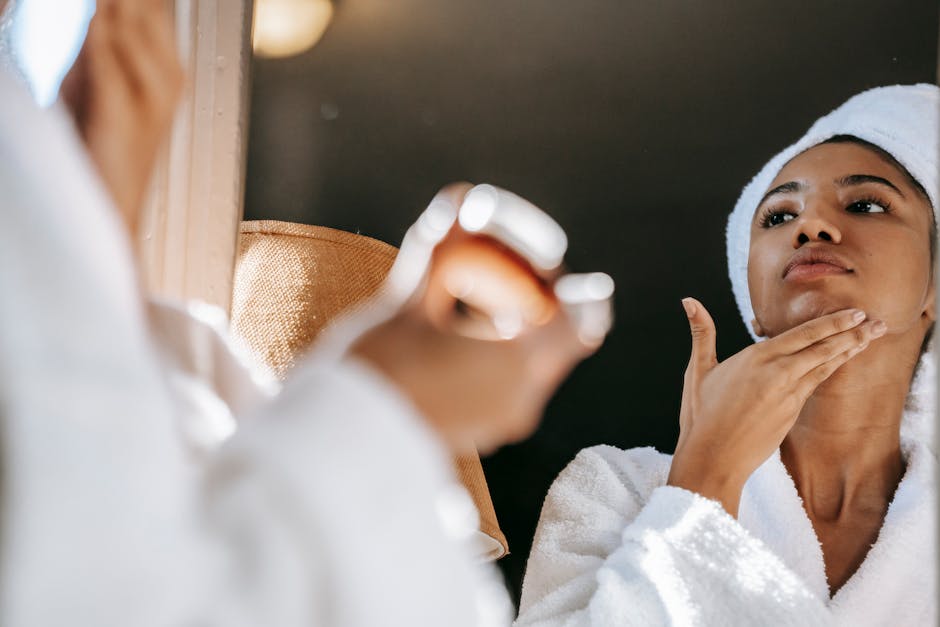
My current "running list" of 5-minute habits looks like this:
- Clear off the physical desk space (reduces visual cognitive load). Step outside and get direct light for 3 minutes (resets the circadian rhythm). Drink a glass of water before touching the coffee maker. One "brain dump" list: Write down the top 3 things to tackle, everything else goes to an inbox.
The Role of Wearable Health Technology
I’ve spent years testing wearable tech—everything from the big rings rick simpson oil RSO to the chest straps and the common smartwatches. The danger of wearables is letting them become another source of anxiety. If you find yourself checking your stress score and feeling *more* stressed, you are using the tool wrong.
Instead, use wearables to gather data on *patterns*, not single-day snapshots. I test every reminder or health alert feature for at least seven days before deciding if it stays on my device. If the notification triggers a "must-do" feeling that ruins my flow state, I turn it off. Wearable tech should be a silent observer that provides long-term trends (like your resting heart rate or HRV) to help you understand your baseline, not a nagging boss.
Table: Self-Care as an Occasional Treat vs. Lifestyle
Feature Occasional Treat (The Failure Mode) Lifestyle (The Sustainable Mode) Trigger When you are completely burnt out Proactive daily check-in Duration Hours (Spa day, weekend getaway) Minutes (Checklists, micro-habits) Expectation An immediate "reset" Consistent, subtle maintenance Measurement Subjective "feeling good" Data-backed patterns and mood logsMindfulness Apps: Finding the Signal in the Noise
Mindfulness is often marketed as "finding inner peace," but in reality, it's just stress regulation. It's the ability to pause and decide how you want to respond to a situation instead of reacting instinctively. I’ve tested a dozen mindfulness apps, and the ones that stick aren't the ones with the most soothing aesthetic—they are the ones that integrate into my day without feeling like homework.
If you're looking for routine ideas, treat an app like a utility. Use it as a scheduled "system break." I use mine right before my final client call of the day. It’s a 3-minute guided transition that separates "work mode" from "personal life." When evaluating an app, look for:
Customizability: Can you change the length of the sessions? Offline capabilities: If it requires a perfect connection, you won't use it. Utility-focused prompts: Look for apps that help with "de-escalation" rather than just "getting happy."Sleep Consistency: The Biological Baseline
I have a personal vendetta against generic sleep advice. Telling a human to "get 8 hours" is useless if you don't account for their individual chronotype. Sleep isn't a routine; it is the infrastructure upon which your entire life is built. If your sleep is failing, no amount of morning yoga is going to fix your cognition.
Instead of focusing on "getting more sleep," focus on sleep consistency and recovery focus. Use your wearable data to track your HRV (Heart Rate Variability). If your HRV is tanking, that’s not the time to "push through" with a high-intensity workout. That’s the time to prioritize recovery. It’s about listening to the bio-data rather than the "no pain, no gain" narrative.
How to Build Your Own Checklist (The Final Step)
I don't believe in rigid morning routines. I believe in simple checklists. A morning routine assumes you are the same person at 7:00 AM every single day. A checklist, however, is a menu. On days when I have more energy, I do the whole list. On days when I'm exhausted, I pick one item.
Your checklist should look like this:
- The Baseline (Must-haves): Hydration, sunlight, medication/supplements. The Buffer (If time allows): 5 minutes of meditation, a short walk, reading. The Review (End of day): Did I complete my 3 main tasks? If not, why? (This helps iterate the system for tomorrow).
The goal of these systems is to remove the "decision fatigue" from your morning. When you don't have to decide what your "self-care" looks like, you just follow the prompt. You aren't "being healthy"—you are simply running a well-designed script.
Final Thoughts: Iterate, Don't Renovate
Don't try to build the perfect life in a week. Start with one micro-habit. Test it for a week. If you hate it, cut it. If it works, keep it. Treat your wellness like a design system: build it component by component, test it for usability, and always be ready to swap out parts that aren't serving the user—which, in this case, is you.
Remember, the best tool is the one you actually use, and the best routine is the one that survives the chaotic reality of your actual life. Stop looking for the "perfect" wellness hack and start building the one that fits your grid.