If you have ADHD and a menstrual cycle, you’ve likely noticed a familiar, frustrating pattern. For three weeks of the month, you might feel like you’ve finally mastered your systems, hit your stride with your workflow, and managed your emotional regulation. Then, like clockwork, the floor falls out.
Your focus evaporates, the "wall of awful" between you and your tasks feels insurmountable, and your emotional stability seems to hang by a thread. You aren’t imagining it, and you aren’t "failing" at your ADHD management. You are experiencing the very real, scientifically-backed phenomenon of luteal phase ADHD.
As a wellness editor who has spent over a decade translating research into actionable life hacks, I’ve seen this time and time again. Understanding the biology behind this shift doesn’t just provide validation—it provides a roadmap for how to manage your expectations and your environment during your most vulnerable days.
The Science: Estrogen, Dopamine, and the Luteal Drop
To understand why your brain feels like it’s short-circuiting, we have to look at the relationship between your reproductive hormones and your neurotransmitters. For those with ADHD, the core challenge is a dysregulation of dopamine—the "motivation molecule" that helps us focus, initiate tasks, and feel rewarded.

Here is where the estrogen-dopamine connection comes into play:
- The Estrogen Boost: Estrogen is neuroprotective and plays a significant role in the production and uptake of dopamine. When estrogen levels are high (typically during the follicular phase, which starts after your period ends and goes until ovulation), your brain has a steady, reliable supply of "fuel" to keep your executive functions running smoothly. The Luteal Crash: After ovulation, your estrogen levels begin a steep decline as you enter the luteal phase—the two weeks leading up to your period. As estrogen drops, so does the availability of dopamine.
If your baseline dopamine is already lower due to ADHD, this hormonal withdrawal creates a "double whammy." Your brain suddenly finds itself running on fumes, leading to what many women describe as profound PMS brain fog, increased distractibility, and heightened impulsivity.
ADHD in Women: The Burden of Masking
The experience of ADHD in women is often vastly different from the stereotypical presentation seen in young boys. Because of societal expectations, many women develop "masking"—the exhausting, subconscious practice of hiding ADHD symptoms to appear neurotypical.
We work twice as hard to stay organized, manage our time, and suppress our sensory needs. This is exhausting enough on its own. However, when you enter your luteal phase and your neurochemistry shifts, your ability to maintain that mask significantly weakens.
When you are already battling biological exhaustion, the "extra" effort required to mask becomes nearly impossible. This is why many women feel they are "losing it" during this phase. It’s not that your ADHD has suddenly gotten "worse" in a permanent sense; it’s that your compensatory mechanisms—the systems and social veneers you use to hide your struggles—are no longer being fueled by adequate levels of dopamine.
Understanding the Cyclical Nature of ADHD
To help visualize how your symptoms might fluctuate throughout the month, refer to the table below. Note that everyone’s cycle is different, but this serves as a general guide for understanding the hormonal influence on executive function.
Phase Hormonal State Typical ADHD Experience Follicular Rising Estrogen Higher motivation, better focus, easier task initiation. Ovulatory Peak Estrogen "Goldilocks zone"—sharpest mental clarity, social confidence. Luteal Dropping Estrogen Brain fog, forgetfulness, emotional volatility, low motivation. Menstrual Lowest Hormones Fatigue, sensory sensitivity, need for deep rest and recovery.Actionable Strategies for Your Luteal Phase
You cannot "bio-hack" your way out of a hormonal cycle, but you can certainly adjust your environment to make these days less punishing. Here are two practical tools to help you navigate your luteal phase with more grace.
1. Use Your Calendar as a Diagnostic Tool
If you don’t know when your luteal phase is, you can’t prepare for it. Start tracking your cycle using a dedicated calendar app. Over time, you will start to see the pattern of when your focus dips. Once you have this data, use your calendar proactively:
- Schedule "Low-Stakes" Weeks: If possible, avoid scheduling high-pressure meetings or complex administrative tasks during the days leading up to your period. Automate Decisions: When your dopamine is low, decision fatigue sets in quickly. Use your calendar to pre-plan meals, workouts, or even social commitments for those days, so you don’t have to make choices when you’re mentally drained.
2. Utilize Website Blockers to Reduce Friction
When your brain is craving dopamine in the luteal ADHD routines for adults phase, it will often seek out low-effort, high-reward stimuli—scrolling social media, shopping online, or checking news sites. This is your brain’s attempt to self-medicate a dopamine deficiency.
Instead of relying on willpower (which is significantly depleted during this time), use website blockers. Set them to activate automatically during your "low-energy" days. By placing a technological barrier between you and your biggest distractions, you remove the need for constant "stop-it" self-talk, which frees up what little mental energy you have left for the tasks that actually matter.
Self-Compassion is a Productivity Strategy
One of the most important takeaways from my 11 years in the wellness space is this: You cannot hold yourself to the same productivity standards 28 days a month. Your body is dynamic, not static.
If you find that your rejection sensitive dysphoria adhd women ADHD symptoms spike before your period, stop viewing it as a failure of character or a lack of discipline. It is a biological response to fluctuating hormones. When you start to feel the brain fog rolling in, stop trying to push through with "brute force" tactics. Shift into a lower gear. Prioritize rest, simplify your to-do list, and lean into the tools that support your brain rather than fighting against it.
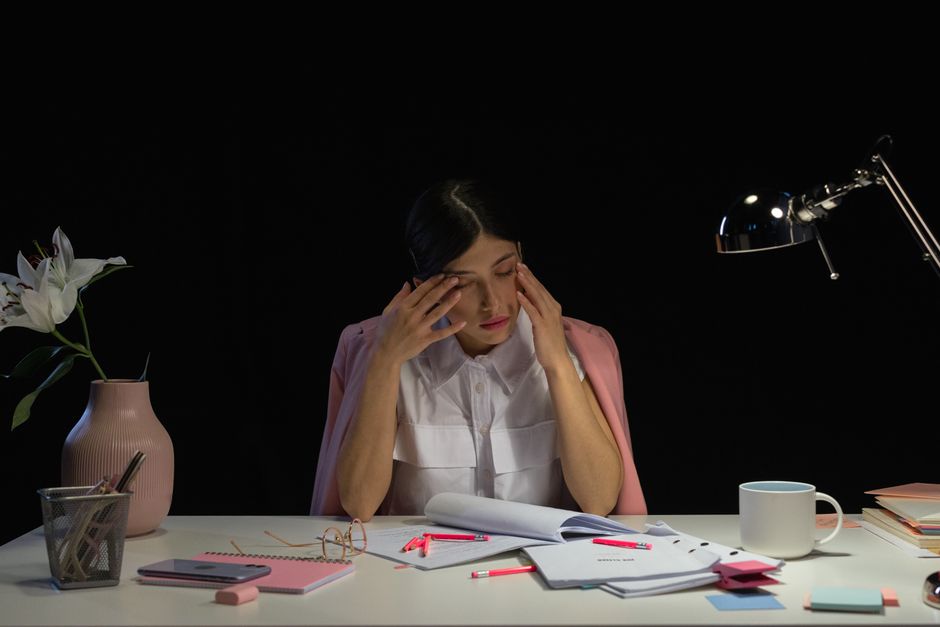
You are managing a complex, neurodivergent brain inside a cycle-based hormonal system. That is a heavy lift. Be as kind to yourself during your luteal phase as you would be to a dear friend, and remember: this phase, like all others, will pass.
Disclaimer: I am a wellness editor, not a clinician. If your ADHD symptoms, mood swings, or PMS symptoms are severely impacting your quality of life, please consult with a healthcare professional or a psychiatrist who specializes in women’s mental health. Hormonal treatments or medication adjustments may be options worth discussing with your doctor.