If you have scrolled through Instagram or participated in an online health community lately, you have likely encountered the dizzying sprawl of the modern wellness industry. It is no longer confined to the dusty corners of a pharmacy or a specialty gym. Today, "wellness" encompasses everything from blue-light-blocking glasses and adaptogenic mushroom powders to bio-hacking wearable tech and personalized probiotic cocktails.
But as the industry expands, the line between evidence-based health interventions and imaginative lifestyle marketing has blurred. For the average UK consumer, this creates a significant challenge: How do we distinguish between products that have undergone rigorous regulatory oversight and those that are simply riding the wave of an influencer-led trend?
As a health writer who has spent nearly a decade parsing clinical trials and interviewing nutritionists, I’ve seen the confusion firsthand. When I walk into a clinic, I look for data. When I look at a label, I look for accountability. Understanding the regulatory landscape isn't just for lawyers; it is the most important tool you have for your own consumer protection.
Who is Watching the Wellness Industry?
In the UK, UK health regulation is not governed by a single monolithic body, which often leads to the "information overload" that leaves consumers feeling stranded. Depending on what a product claims to do, it falls under the jurisdiction of different authorities:

- The Food Standards Agency (FSA): Generally regulates dietary supplements and foods. They focus on food safety, labeling accuracy, and ensuring that ingredients are "novel" or safe for human consumption. The Medicines and Healthcare products Regulatory Agency (MHRA): This agency steps in when a product makes a medical claim—meaning it claims to prevent, treat, or cure a disease. If a supplement starts promising to "reverse" a condition or "treat" inflammation, the MHRA may reclassify it as a medicine. The Advertising Standards Authority (ASA): This is the front line of consumer protection. They handle the "vibe" of marketing. If a social media influencer makes an unsubstantiated claim about a "gut health" supplement, the ASA is often the body that steps in to demand evidence or force the removal of the ad.
The Shift: From "Trust Me" to "Show Me"
We are currently living through a transition period. For years, the wellness industry thrived on influencer-style certainty—that specific brand of confidence where a content creator promises that a single powder will change your life without citing a single peer-reviewed paper. Fortunately, the demand for transparency is growing.
Today, consumers are becoming "ingredient literate." They are asking: Where was this sourced? What are the third-party testing results? Does this company have a conflict of interest in the research they cite?
The Marketing Phrase Blacklist
In my research, I maintain a running list of vague marketing phrases that should trigger an immediate "regulatory alert" in your mind. If you see these on a product, do not assume they carry any clinical weight:
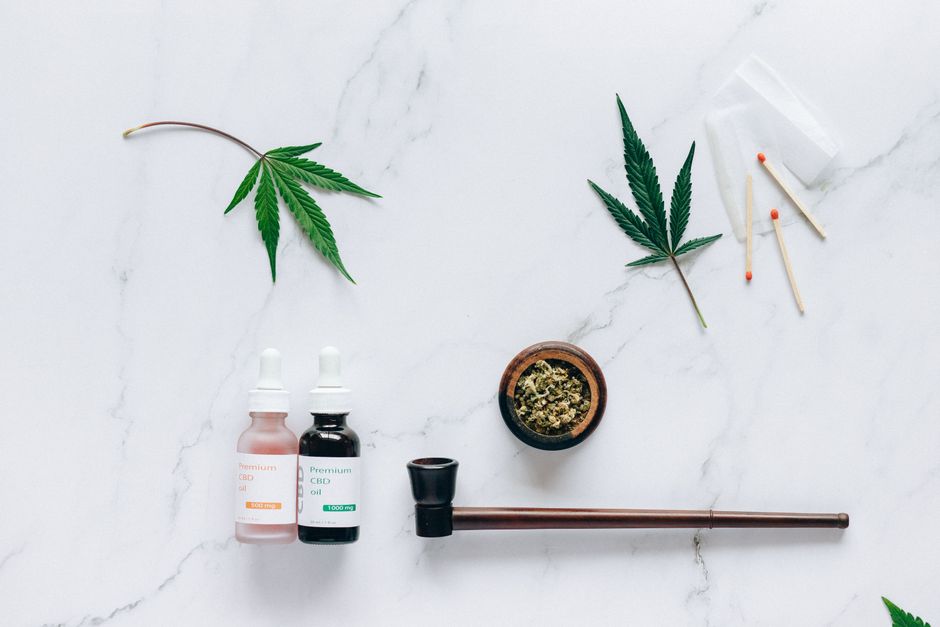
- "Detox" or "Cleanse": Our livers and kidneys do this for free; no supplement has been proven to "detox" your system. "Clean": A meaningless term in regulatory terms. It implies safety but is not defined by any UK law. "Boosts your immunity": A broad, unscientific claim. You cannot "boost" an immune system; you can only support it with adequate nutrition. "Optimize": A buzzword used to suggest biological improvement without specifying what mechanism is being changed. "Glow-inducing": Purely cosmetic, though often used to suggest internal health benefits.
What Would This Look Like in a Clinic Visit?
To help you navigate this, I often tell my readers to perform a "Clinic Simulation." Imagine you are sitting in a GP’s office or a nutritionist’s clinic and you hand them the supplement or wellness product you just bought online. concordp2c.com You ask, "Is this safe and effective?"
If the product lacks regulatory rigor, the reality is stark:
The Marketing Promise The Clinical Reality "Scientifically formulated to reduce brain fog." Unless it is a medicine, it lacks the clinical trial backing to prove it acts on the pathology of "brain fog." "Bio-available nutrients for instant energy." "Bio-available" is a technical term often used incorrectly. Real energy comes from metabolic health, not a proprietary pill. "Pure, natural, and side-effect free." "Natural" does not mean safe. Everything has a dose-dependent toxicity.The Role of Online Communities and Social Media
Social media is a double-edged sword. On one hand, online communities can provide peer-to-peer support for people with chronic conditions. On the other, they are often breeding grounds for unverified "hacks" that bypass standard consumer protection pathways.
When you see a wellness product going viral on social media, ask yourself: Is the creator incentivized to sell this to me? Does the brand provide a Certificate of Analysis (CoA) for their products? A CoA is a document from an independent, third-party lab that verifies the purity and potency of the ingredients. If a company won't show you their CoA, they are asking for your money based on faith, not science.
Demanding Better Transparency and Testing
The future of the UK wellness market should not be about banning products, but about raising the barrier to entry. We need to normalize the expectation of independent, third-party testing. If a company claims their product has a specific concentration of an active compound, that concentration should be verified by someone other than the company itself.
How to be a Smart Consumer:
Check the Label for Evidence: Does it mention specific studies? Are those studies on humans, or mice? Are they peer-reviewed? Look for Independent Certifications: Is the product certified by bodies like Informed Sport (for athletes) or others that audit manufacturing facilities? Avoid "Miracle" Language: If a product claims to solve a complex health issue in a few days, it is likely misleading. Health is a long-term equation involving sleep, nutrition, and movement, not a quick-fix capsule. Scrutinize the Source: Is the company selling the product also the one "researching" it? Look for independent verification of efficacy.Conclusion: Empowerment Through Skepticism
Regulatory oversight in the UK serves as a necessary safety net, but it cannot be everywhere at once. The wellness industry is far too large, and trends move far too fast, for regulators to catch every unsubstantiated claim on every TikTok video.
True consumer protection comes down to our own due diligence. By treating every wellness product with the same skepticism you would bring to a medical intervention, you become less of a "target" for marketing and more of an informed decision-maker. Remember: a label is not just a list of ingredients—it is a statement of what the manufacturer believes they can get away with saying about their product. Read between the lines, demand the data, and if a product sounds too good to be true, it almost certainly is.
Disclaimer: This article is for informational purposes only and does not constitute medical advice. Always consult with a qualified healthcare professional before beginning any new supplement or wellness regimen, especially if you have pre-existing health conditions or are taking medication.