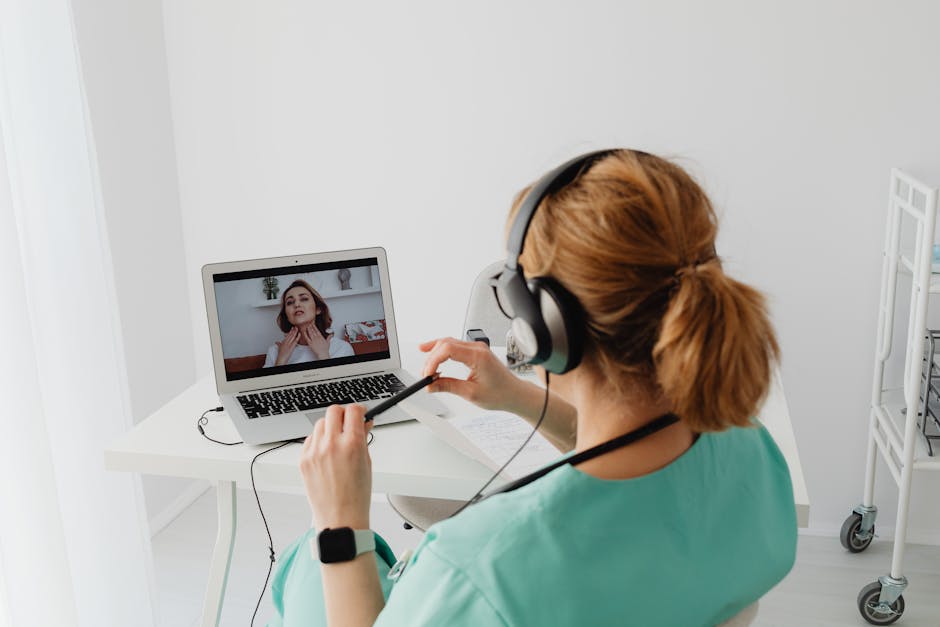
As we navigate the landscape of digital health in 2026, the term "specialist prescription" has moved from a vague clinical concept to a fundamental pillar of the UK medical cannabis sector. For many patients, the transition from legacy healthcare models to modern telehealth platforms has been life-changing. However, the terminology remains a source of confusion. In an age of algorithm-driven health, it is vital to demystify what "specialist oversight" actually looks like on the ground.
When we talk about a regulated prescribing pathway, we aren't just talking about a video call with a doctor. We are talking about a highly structured clinical process that aligns with the same stringent standards found across the wider NHS—even if the delivery vehicle is a private telehealth app.
Understanding the Legal and Clinical Framework
It is common for patients to search for "miracle cures" online, but as a content lead who has spent years working with NICE guidelines—specifically NICE NG144—I cannot stress this enough: medical cannabis in the UK is not a first-line treatment. It is an option specifically for patients who have exhausted traditional, licensed medications.
A "specialist prescription" refers to a prescription issued by a doctor who is listed on the General Medical Council (GMC) Specialist Register. This is the crucial threshold. General practitioners (GPs) in the UK cannot prescribe medical cannabis for chronic conditions; only a specialist consultant with a specific license to do so can. This requirement exists to ensure that the patient’s condition has been appropriately evaluated by someone with the necessary expertise to manage complex pharmacology.
The 2026 Patient Journey: A Digital-First Experience
The patient journey has become remarkably digitized over the past few years. By 2026, the "friction points" that once plagued early telehealth—such as fragmented record-keeping and manual data entry—have largely been ironed out by integrated patient portals.
1. Eligibility Screening
The journey almost always starts with a screening questionnaire. This is not a barrier to access, but a safety mechanism. These digital tools flag potential contraindications early, ensuring that patients who would not benefit from, or who may be harmed by, cannabis-based products are redirected to more appropriate care pathways before they ever reach a consultant.
2. Evidence Submission
Modern telehealth platforms now often pull directly from the patient’s Summary Care Record (SCR). Instead of faxing paper records, the system allows for a secure, digital transfer of a patient’s medical history. This is the bedrock of clinical supervision UK standards; a specialist cannot provide a safe prescription without a clear picture of what has been tried and failed previously.
3. The Telehealth Consultation
The video consultation is no longer the "high-tech" element; it is the standard. In 2026, the focus has shifted from the call itself to what happens during it: a structured review of the patient's existing medication, their symptom progression, and a detailed discussion about articoolo.com the risks and benefits of cannabinoids.
4. E-Prescribing and Pharmacy Logistics
Once the specialist approves the treatment plan, the prescription is sent via an encrypted, trackable digital link to a pharmacy. This ensures that the medication is traceable from the greenhouse to the patient’s door, adhering to the stringent Home Office requirements for controlled drugs.
Comparison: Traditional vs. Regulated Telehealth Pathway
To better understand the modern landscape, it is helpful to look at how these processes differ from what some might expect from general healthcare experiences.
Feature Traditional Legacy Pathway Regulated Telehealth Pathway (2026) Eligibility Check Manual, paper-based, slow. Automated, instant, secure. Prescriber Level GP or Generalist. GMC Specialist Register consultant. Record Keeping Fragmented/Hard to retrieve. Unified patient portal history. Audit Trail Often incomplete. Full digital audit of all interactions. Patient Feedback Delayed. Integrated into follow-up digital check-ins.Why "Specialist Oversight" Matters
I often hear the term "specialist oversight cannabis" used in marketing, but it isn't a marketing buzzword—it is a safety necessity. In the UK, medical cannabis is a controlled drug. The specialist isn't just checking if a patient "wants" the medicine; they are monitoring for interactions with other medications, assessing mental health stability, and tracking efficacy.
When a clinic promises "easy access" without rigorous screening, they are essentially signaling that they aren't practicing medicine; they are facilitating a transaction. A legitimate regulated prescribing pathway involves active management. If your clinician is not asking about your previous treatments, checking your blood pressure, or discussing titration schedules, you are not receiving the level of care mandated by UK law.
Friction Points: Where Digital Health Must Still Improve
As a lead in the healthtech space, I am the first to admit we haven't solved everything. Even in 2026, there are friction points that annoy patients. These are the areas where I believe we need to push harder:
- Repeated Data Entry: Despite integration, patients are still often asked to fill in similar forms across different platforms. We need better "single sign-on" functionality between clinics and pharmacies. Communication Silos: There is still a gap between the telehealth platform and the patient’s NHS GP. The "digital divide" means that if a patient chooses not to share their cannabis prescription with their GP, they lose the benefit of joined-up care. Unclear Next Steps: After a prescription is issued, many platforms fail to clearly communicate *why* a specific strain or dose was chosen, leaving patients to search for information in unregulated forums.
The Reality of Medical Cannabis in 2026
It is important to manage expectations. Medical cannabis is not a "miracle" for everyone. It is a legitimate, evidence-based tool for the management of specific, refractory conditions. The "specialist prescription" is the gatekeeper of this legitimacy. It ensures that the patient is protected, the law is upheld, and the medicine is of the pharmaceutical grade required for clinical efficacy.
If you are exploring this route, prioritize clinics that are transparent about their clinical governance. Look for those that explicitly state how they adhere to NICE guidelines and ensure your consultant is on the GMC Specialist Register. Digital health has made the process of obtaining these prescriptions easier, but the rigour behind those screens remains as strict as it has ever been.

The future of UK healthcare is undoubtedly digital, and the regulated medical cannabis pathway is a prime example of how we can combine convenience with clinical safety. Just remember: when it comes to your health, the "friction" caused by forms and screening isn't a bug—it’s a feature designed to keep you safe.
Disclaimer: This article is intended for educational purposes regarding healthcare systems and does not constitute medical advice. Always consult with a qualified specialist or your GP regarding your medical conditions and treatment options. Medical cannabis remains a controlled, prescription-only medication in the UK.