In the complex world of healthcare, packaging safety is more than just a convenience—it's a critical safeguard for patients. When you see the term tamper-evident on medicine packaging, what does that actually mean? How does it protect patients, ensure the integrity of the product, and adhere to stringent regulatory standards? And crucially, what environmental footprint comes with these protective measures, especially in plant-based medicines like those offered by Releaf and medicalcannabis.co.uk? This article unpacks the significance of tamper-evident packaging, balancing safety with the realities of sustainability in healthcare.
Understanding Tamper-Evident Packaging: More Than Just a Seal
Tamper-evident packaging refers to packaging designed to provide visible evidence if the product inside has been interfered with before reaching the patient. This is a pillar of patient protection—ensuring the product's integrity from the manufacturer to the end user.
Typical tamper-evident features might include:
- Breakable seals or bands Perforated tear strips Shrink wraps with visual indicators Security labels that cannot be resealed once removed
These features aim to make any unauthorized opening immediately apparent, thus discouraging tampering and safeguarding against contamination, adulteration, or counterfeiting.
Why Does Packaging Safety Matter?
In regulated medical products, particularly in specialist clinics and regulated supply chain oversight environments, the consequences of compromised packaging can be severe. Contaminated or tampered medicines can lead to ineffective treatment, adverse reactions, or in rare cases, serious harm. For patients accessing medical cannabis through trusted platforms like Releaf and medicalcannabis.co.uk, where precise dosing and purity are paramount, sealed containers with tamper-evident features are not optional—they are essential.
Medical Packaging Constraints
Unlike many consumer goods, medicine packaging must meet multiple strict regulatory criteria that influence design and material choice:
Patient safety: The highest standards to prevent contamination and unauthorized access. Preservation of product efficacy: Barriers against moisture, light, and oxygen. Compliance with legal and regulatory frameworks: Including specific labeling and batch traceability. Child resistance: Specialized closures to prevent accidental ingestion.These essential constraints mean that packaging is more complex and less flexible than many imagine. As an example, tamper-evident seals often require additional layers or components, which impact both cost and the environmental footprint.
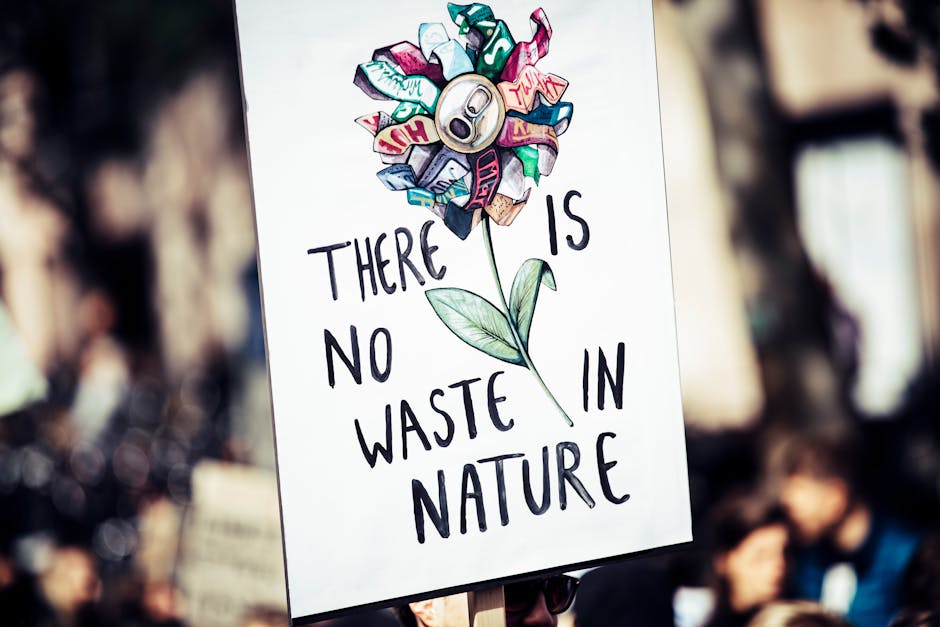
Healthcare’s Environmental Footprint: What Happens at Disposal?
One persistent misconception is that because a medicine or its active ingredient is plant-based, like medical cannabis, the entire product and its packaging should naturally have a low environmental impact. However, the reality is more nuanced.
Consider:
- Indoor cultivation energy demands: Medical cannabis is often cultivated indoors under tightly controlled conditions to meet product consistency and regulatory standards. This includes artificial lighting, ventilation, and climate control, which collectively consume large amounts of electricity. Specialized packaging materials: Tamper-evident sealed containers used to maintain product safety frequently rely on plastic, foil laminates, or multi-material composites, which are notoriously hard to recycle. Disposal infrastructure: Many healthcare waste streams, including packaging discarded with medicines, are incinerated or landfilled due to contamination risk, further increasing the carbon footprint.
In short, plant-based does not automatically mean low impact. To accurately assess sustainability, one must ask: What happens at disposal? Are packaging materials recyclable, reusable, or compostable? How much energy does cultivation consume? Without clear answers, claims about 'green' medical products remain vague.
How Regulated Supply Chain Oversight Supports Tamper-Evidence
Compliance and oversight in the supply chain are critical to ensure that the tamper-evident features remain unbroken until the medicine reaches the patient. Specialist clinics and licensed dispensaries operate within robust frameworks that include:
- Chain of custody documentation Batch tracking linked to physical security features on the packaging Audits and inspections ensuring no unauthorized access
For suppliers like Releaf and medicalcannabis.co.uk, this regulated sustainable clinics environment is a critical practical necessity to maintain both patient protection and regulatory compliance.
Key Takeaways: What Tamper-Evident Means for Patients and Sustainability
Aspect Consideration Example from Medical Cannabis Sector Packaging Safety Visible evidence of tampering; preserves product integrity Tamper-evident seals on cannabis oil bottles Patient Protection Prevents contamination, dosing errors, or counterfeit Sealed containers supplied to specialist clinics Environmental Footprint Material choice impacts waste and recycling Multi-layer pouches vs. recyclable plastic jars Regulatory Oversight Chain of custody and regular audits to confirm integrity Traceability systems used by licensed distributors Energy Use Indoor cultivation requires significant energy input Grow facilities employing high-energy LED arraysConclusion
When you see tamper-evident labeling on medicine packaging, it's a commitment—a visible, enforceable assurance that the product inside has not been compromised. This is essential for patient safety and trust, especially in the sensitive field of medical cannabis distributed through specialist clinics and providers like Releaf and medicalcannabis.co.uk.
However, that assurance comes with environmental trade-offs. Sealed containers and tamper-evident features often rely on multi-material packaging that challenges recycling streams. Plus, indoor cultivation to medical standards contributes a significant carbon footprint via energy consumption.

The real question for healthcare sustainability isn’t just "Is it tamper-evident?" but rather, "What happens at disposal?" and "How can the entire supply chain evolve to reduce environmental harm without compromising patient safety?" Until those measurable details are transparently addressed, any grand promises of 'green' or 'eco-friendly' medical packaging remain incomplete.
Ultimately, packaging safety and patient protection must coexist with responsible environmental stewardship, supported by regulated supply chains and forward-thinking innovation.