If you’ve browsed the hemp and CBD market recently, you’ve probably come across phrases like “hemp 0.3% THC by dry weight” or seen brands like Joy Organics touting their CBD products as federally legal. But what exactly does that 0.3% THC threshold mean? And why is it such a big deal?
Whether you’re after a calming CBD gummy or curious about hemp’s legal landscape in the US, understanding this limit is crucial. In this deep dive, we’ll unpack the science and regulations around hemp’s THC content, clarify common misconceptions, and dig into the evidence backing benefits like anxiety relief, sleep improvement, and athletic performance — all with an eye on the accuracy so many supplement labels miss.
CBD Basics and THC Distinctions
First, let’s quickly revisit what CBD and THC are, because even the terms can get mixed up.
- CBD (Cannabidiol) is a non-intoxicating compound found in cannabis plants, often sought for its potential calming and neuroprotective effects. It does not cause a "high." THC (Tetrahydrocannabinol), in contrast, is the psychoactive cannabinoid responsible for the euphoric sensations associated with marijuana. It can impair cognitive function, coordination, and reaction time. Hemp and marijuana are both cannabis, but legally distinguished largely by THC content.
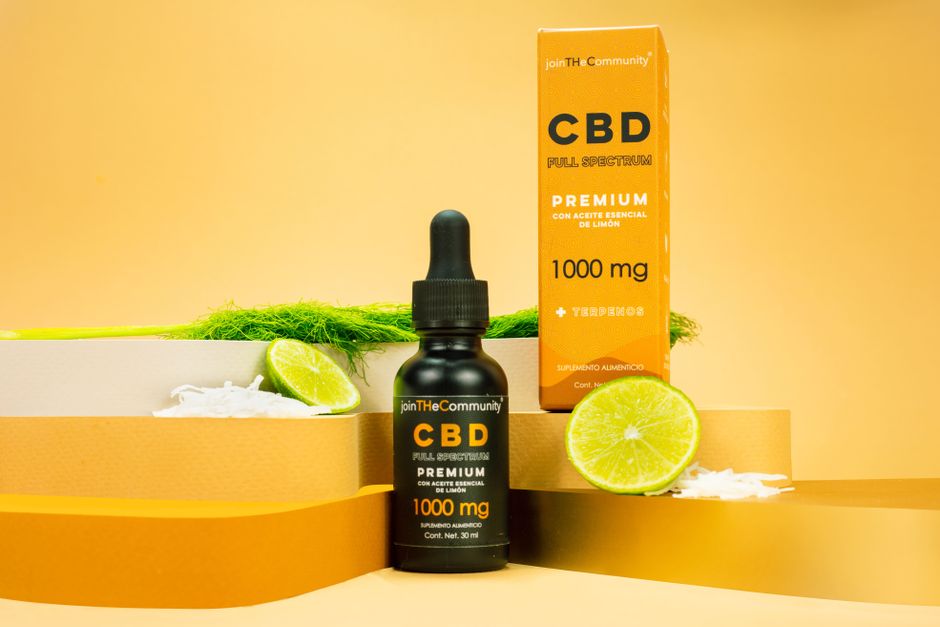
When you see "full spectrum" on a hemp product label, it means the oil contains an array of cannabinoids, including trace amounts of THC — but crucially below the legal threshold. This is important because many consumers mistakenly assume "full spectrum" means "stronger" or "contains lots of THC," which is not necessarily true.
Hemp Legality and the 0.3% THC Threshold
The 0.3% THC by dry weight rule is the cornerstone of what defines legal hemp in the US. Let’s break it down:
Origin of 0.3% THC limit: This threshold traces back to a 1976 study by Canadian scientist Ernest Small, who proposed 0.3% THC as the cutoff for distinguishing hemp from marijuana based on psychoactive potential. Federal law: The 2018 Farm Bill legalized hemp federally, defining it as cannabis plants and derivatives containing no more than 0.3% THC on a dry weight basis. Anything above this is classified as marijuana and remains federally illegal. Testing and Compliance: Producers must test hemp flower or extracts to confirm THC content falls under this limit. Models like Joy Organics regularly share batch-specific lab reports proving their THC levels comply with this rule. Why dry weight? The 0.3% measure refers to THC concentration relative to the total biomass once moisture is removed, ensuring consistency across testing labs.In practical terms, this means trace THC is legally tolerated — that’s the “trace THC explanation” in a nutshell. Trace is generally understood as less than 0.3%, which is not enough to cause intoxication or positive drug test results when consumed at typical doses.
But some confusion arises because:
- Some hemp extracts may show THC just below 0.3%, but how much you consume matters when it comes to exposure. Lab mislabeling or inaccurate testing can result in unexpected THC levels — why always requesting a batch lab report is a smart move. The World Anti-Doping Agency (WADA) still bans THC above certain limits for athletes, even if products are technically legal as hemp.
The Role of WADA on Hemp and THC
WADA allows some trace THC from hemp-derived products, but their threshold is extremely conservative. Athletes consuming even legal hemp CBD products can risk positive tests for banned CBD gummies for sleep cannabinoids if they’re not careful — something elite athletes and their managers must keep front and center.

Evidence Strength: Anxiety vs Sleep vs Performance
Now, let’s talk about what the research actually says about hemp CBD products and the typical health claims: anxiety relief, sleep improvement, and performance enhancement.
Benefit Evidence Strength Notes Anxiety Relief Moderate Multiple small clinical and preclinical studies find CBD can reduce anxiety symptoms, particularly at doses of 300-600 mg/day. Effects at typical gummy doses are unclear. Sleep Improvement Weak to Moderate Evidence is mixed; some users report improved sleep, but placebo effects and study design flaws make it hard to confirm. Dose-response curve uncertain. Performance Enhancement Limited No robust clinical trials show direct performance benefits in athletes. Reduced anxiety may indirectly help, but claims should be viewed skeptically.Many companies, including Joy Organics, responsibly cite preliminary evidence in marketing but stop short of making bold performance claims unsupported by data. It’s a positive shift away from sketchy “science says” hype.
Dosing Mismatch Between Studies and Gummies
A key issue often overlooked is the mismatch between clinical study dosages and what consumers get in over-the-counter hemp gummies and oils.
- Typical research uses controlled doses of 300–600 mg CBD or more per day for anxiety relief. Most hemp gummies on the market contain between 10 and 25 mg CBD per serving, targeting casual users or beginners. This gap means that while products are legally compliant and potentially helpful for some, the direct translation of study benefits may be limited. User reports vary — some find benefit at low doses, others require stronger regimens, which can also increase THC exposure.
So, if you’re buying a $50 bottle of low-dose gummies (say 25 mg CBD per gummy) but the studies talk about doses 10x higher, keep expectations calibrated. Higher doses may need a trusted, standardized extract and, ideally, medical supervision.
Summary: Navigating Legal Hemp and Trace THC
Here are the main takeaways about the US legal hemp 0.3% THC by dry weight rule and what it means for you as a consumer:
Legal hemp is cannabis with no more than 0.3% THC by dry weight — a level low enough to avoid intoxication but not zero. Trace THC is common and legal in full spectrum hemp products but should be verified via lab reports to avoid surprises. Brands like Joy Organics set the bar by openly sharing batch reports and stressing compliance. The FDA regulates hemp-derived CBD products but currently limits approved claims, emphasizing caution in marketing language. The evidence for benefits such as anxiety reduction is moderate but requires doses much higher than typical gummies provide. Athletes need to consider WADA regulations carefully, as trace THC can trigger positive tests even with legal hemp products.Ultimately, understanding the 0.3% THC rule helps you shop smarter and more safely in a rapidly evolving hemp market. Demand transparency from brands and check those lab results — your tolerance for trace THC and your health goals will guide what’s right for your stack.
References and Further Reading
- FDA on Cannabis Research and Drug Approval WADA Rules on THC and Cannabinoids Joy Organics Lab Test Results Policy Small, Ernest. Isolate or ecotype? Cannabis classification reconside- red. Canadian Journal of Botany, 1976.