If you’ve ever googled “gout” or “severe joint pain” before seeing your GP, you’re not alone. Millions of Britons turn to the internet to research health symptoms before their appointments. While self-research can help you understand possible conditions, it also comes with risks — especially when medical terms and symptoms sound alarming. In this article, we'll explain gout in plain English, discuss why it causes such intense pain, and explore what it means to live with an inflammatory arthritis like gout. . Pretty simple.

How People in the UK Research Health Online Before Visiting Their GP
The internet is usually the first port of call when symptoms strike. Studies show many in the UK:
- Use search engines like Google to identify possible causes Check NHS.uk or charity websites for symptoms and treatments Join online health forums to read about others’ experiences Prepare questions ahead of GP appointments
This self-research can make you feel more in control and informed — enabling a better conversation with your GP. However, it can also trigger anxiety through worst-case scenarios or "miracle cure" hype that rarely applies outside marketing.
Benefits of Using Internet Research Responsibly
- Understand medical terms before your visit Identify common symptoms and possible conditions relevant to you Feel empowered to ask informed questions Learn about basic management before referral to specialists
Risks of Overconfident Self-Diagnosis and Scare-Mongering
- Jumping to conclusions without clinical assessment Getting overwhelmed by competing or inaccurate information Delaying necessary GP visits due to misinterpretation Falling for unproven “miracle cure” claims
What to ask your GP:
- What could be causing my symptoms? Do I need any blood tests or scans? What treatment options are available? Are lifestyle changes likely to help? Should I see a specialist, like a rheumatologist?
Gout Explained: What Exactly Is It?
Gout is a type of inflammatory arthritis. Unlike wear-and-tear conditions like osteoarthritis, gout is caused by crystals forming in your joints. Here's the gist in everyday language: . There's more to it than that
Your body breaks down substances called purines, found naturally in your cells and many foods. This produces uric acid, which normally dissolves into your blood and passes out in urine. If you have too much uric acid or your kidneys can’t get rid of it quick enough, it builds up and forms sharp crystals in your joints. The immune system sees these crystals as invaders and attacks them, causing intense inflammation.This inflammation is what causes the hallmark symptoms of gout:
- Severe joint pain — often sudden and intense Swelling and redness around the joint Warmth and tenderness making movement very painful
Gout most frequently affects the big toe but can occur in ankles, knees, wrists, and fingers.
Gout as Inflammatory Arthritis: What Does That Mean?
Arthritis just means “joint inflammation.” Not all arthritis is the same:
Type of Arthritis Cause Typical Symptoms Osteoarthritis Wear and tear on joints Gradual pain, stiffness, swelling Rheumatoid arthritis Autoimmune inflammation Symmetrical joint swelling, prolonged morning stiffness Gout Uric acid crystal deposits causing inflammation Sudden severe pain, redness, swellingBecause gout is an inflammatory arthritis, flare-ups can be rapid and extremely painful but often ease with treatment. It also classifies as a chronic condition because uric acid levels and attacks can recur without proper management.
Why Does Gout Hurt So Much? The Science of Severe Joint Pain
You know what's funny? the stabbing pain of gout attacks comes down to your immune system’s fierce reaction:
- Sharp crystals irritate the joint lining (synovium). White blood cells rush in to “attack” crystals, releasing inflammation chemicals. This triggers intense swelling, redness, and pressure. The swollen joint puts pressure on nerves, causing sharp, burning pain. The affected joint can become so sensitive even light touch feels painful.
This cascade of inflammation not only causes pain but makes movement very https://highstylife.com/releaf-gout-medical-cannabis-treatment-uk-what-is-it-explaining/ difficult, sometimes immobilizing the joint during attacks.
Impact on Quality of Life
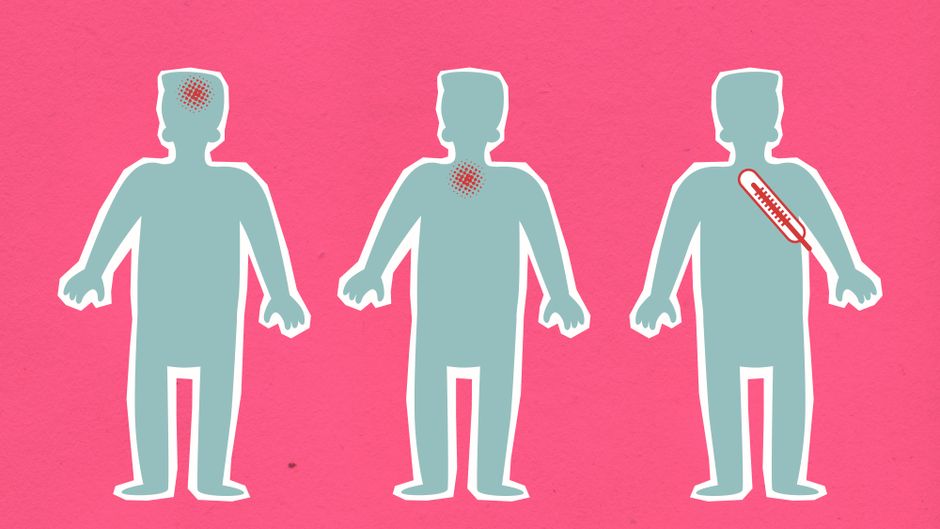
Gout is not just a “one-off” pain – for many, it becomes a chronic condition that:
- Limits mobility during flare-ups Causes anxiety about next attack Impacts sleep due to night-time pain, which is common Potentially leads to joint damage if untreated Adds emotional strain alongside physical discomfort
If gout attacks are frequent or prolonged, they can seriously affect your day-to-day life and wellbeing. That’s why early diagnosis and management through your GP or specialist is so important.
When to See Your GP About Joint Pain
Severe joint pain, especially sudden and affecting one joint like the big toe, should prompt a GP visit. You Additional info should seek medical advice if:
- Pain is severe, swollen, red and tender Symptoms develop quickly over hours or days You have repeated episodes of joint pain You notice fever, chills, or signs of infection You have other health conditions like kidney problems or heart disease
Your GP can run blood tests (like uric acid levels), examine your joints, and decide whether you need treatment or referral to a rheumatologist.
What to Expect at Your GP Appointment
GP will ask detailed questions about your symptoms, lifestyle, diet, and medical history. A physical examination of the affected joint(s). Blood tests to check uric acid and markers of inflammation. Possible joint fluid analysis (specialist referrals). Discussion of treatment options, including medications to reduce pain and manage uric acid. Advice on lifestyle changes like diet and weight management.Key Takeaways: Understanding Gout to Take Control
- Gout is an inflammatory arthritis caused by uric acid crystal buildup. It causes sudden and severe joint pain due to intense inflammation. Self-research online is helpful but should never replace GP assessment. Early diagnosis and proper treatment reduce pain, flare-ups, and long-term joint damage. Living with gout means managing symptoms and lifestyle to improve quality of life.
If you’re experiencing joint pain that fits the gout description, don’t delay — book a GP appointment and bring your questions along. Being open with your doctor about symptoms, concerns, and what you’ve read online makes for the best care.