In the booming world of CBD products, consumers often face a puzzling landscape: some brands readily provide detailed lab reports, while others seem to keep testing results under wraps. If you've ever wondered why batch-specific laboratory reporting shows up on some labels but not on others, or why the phrase "COA missing red flag" pops up in online discussions, you’re not alone.
This post will break down the basics of CBD and THC, explain the FDA’s stance, demystify the legal setup from the 2018 Farm Bill, and — most importantly — highlight why CBD quality varies and why not having a certificate of analysis (COA) is a serious warning sign.
CBD vs THC: The Basics
CBD (cannabidiol) and THC (tetrahydrocannabinol) are both chemical compounds found in cannabis plants, but they have very different effects on the body:
- CBD is non-intoxicating and is primarily sought after for potential wellness benefits like anxiety relief, pain management, and inflammation reduction. THC is the psychoactive compound that causes the “high” commonly associated with marijuana use.
The difference in effect is why most CBD products aim to have negligible THC content, keeping it below 0.3% as required by federal law. Any more than that legally puts the product into a different category, closer to marijuana rather than hemp-derived CBD.
FDA Approval: What’s Real and What’s Not?
It’s important to clear up a common misconception: the Food and Drug Administration (FDA) has approved only one cannabis-derived drug — Epidiolex — for treating certain seizure disorders. This drug contains purified CBD, but it’s prescribed and dosed under medical supervision.
Over-the-counter https://yourhealthmagazine.net/article/supplements/understanding-cbd-what-to-know-before-adding-it-to-your-routine/ (OTC) CBD products, like tinctures, gummies, and creams sold in health stores and online, are not FDA-approved as treatments. The FDA hasn’t evaluated their safety or effectiveness for wellness claims, so companies can’t legally market them as miracle cures.
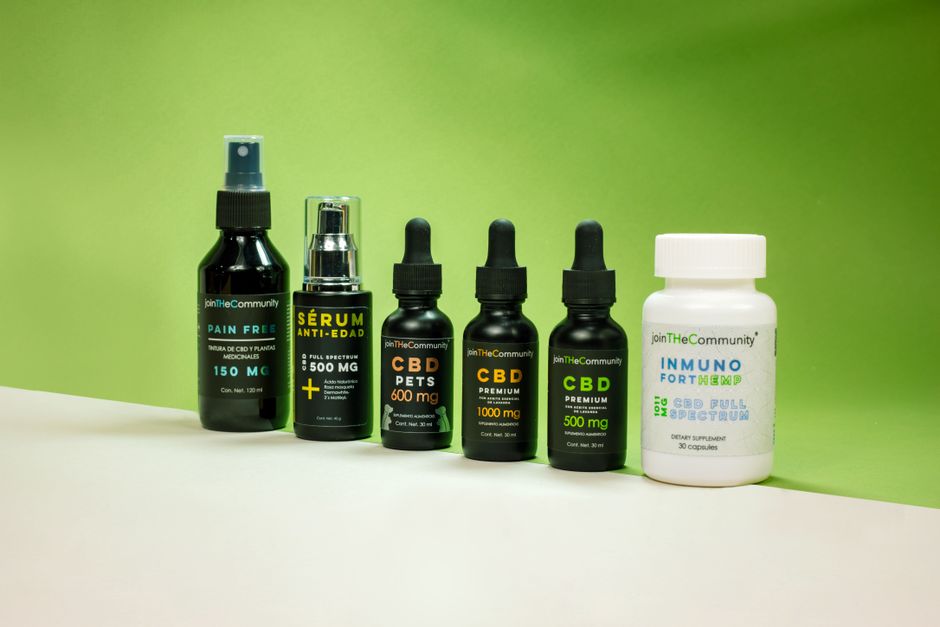
That's where regulation gaps allow lower-quality or mislabeled products to enter the market, making lab testing evidence more crucial for consumers.
The Legal Landscape: The 2018 Farm Bill and 0.3% THC Limit
The 2018 Farm Bill was a turning point in the legal status of hemp and hemp-derived products like CBD. It:
Removed hemp (defined as cannabis with less than 0.3% THC) from the list of controlled substances. Legalized the cultivation and sale of hemp-derived products federally.However, this federal legalization comes with important caveats:
- States still have the authority to regulate CBD products within their borders. Some states may limit sales or require licenses. THC content must not exceed 0.3%. Products testing above this threshold can be deemed illegal. The FDA still controls medical claims and the general safety regime for consumables.
Why Does CBD Quality Vary So Much?
The short answer: Not all CBD is created equal. Differences in farming practices, extraction methods, product formulation, and lab testing rigor all influence quality.
Consider these factors:
- Source of hemp: Industrial hemp can absorb pesticides or heavy metals if grown in contaminated soil. Extraction methods: CO2 extraction is cleaner but expensive; cheaper methods may leave residues. Lack of regulation: Without mandatory testing, products can contain inconsistent CBD levels, excess THC, or harmful contaminants. Manufacturer integrity: Trusted companies invest in third-party testing and make batch-specific results public.
The Role of Batch-Specific Laboratory Reporting
This is where batch-specific laboratory reporting becomes a game-changer. A batch-specific COA (certificate of analysis) is a lab report tied to a certain batch or lot of product rather than a generic company test.
- It confirms that the product you're buying was tested specifically — not some random sample or different batch. It details cannabinoid content: How much CBD, THC, and other cannabinoids are present, ensuring THC stays below 0.3%. It tests for contaminants: Residual solvents, pesticides, heavy metals, and microbial impurities that may affect safety.
Without batch-specific COAs, consumers have no guarantee their product meets quality or safety standards. This lack results in “COA missing red flag” discussions in forums and reviews.
Example: Joy Organics
Joy Organics is a standout brand known for transparency. They routinely publish batch-specific lab reports for all their products — a practice that demonstrates commitment to quality and consumer trust. Customers can scan QR codes or visit their website to view fresh COAs on every batch.
This contrasts sharply with brands that either provide vague "lab tested" claims or no testing documentation at all.
How To Spot a COA Missing Red Flag When Shopping for CBD
Here are practical tips for consumers wanting to avoid low-quality CBD products:
Look for batch-specific COAs: A reputable brand provides labs reports for each batch, not a general company statement. Check cannabinoid levels: The COA should list CBD, THC, and other cannabinoids clearly, not just “THC-free” (a vague term that sometimes hides tiny amounts). Review contaminant testing: Make sure heavy metals, pesticides, and solvents are tested and below legal limits. Verify third-party testing: The lab performing the test should be independent, accredited, and their name/contact info listed. Beware of exaggerated claims: CBD helps with certain conditions but it’s not a cure-all. Miracle promises are suspicious.Final Thoughts
When it comes to CBD products, the difference between trustworthy brands and risky ones often boils down to transparency — specifically the availability of batch-specific laboratory reporting. This transparency is your best defense against mislabeled or unsafe products, helping ensure that the CBD you pay for actually contains what the label claims and is free of harmful contaminants.
In a market still catching up to regulatory standards, companies like Joy Organics that publish thorough COAs for each batch raise the standard — and make it easier for you to shop with confidence.
So, next time you browse CBD aisles or online shops, remember: a missing COA isn’t just an inconvenience — it’s a warning sign. Demand transparency so your health choices are backed by science, not fancy marketing.